The Incident at Galley House Review – A Haunting Detective Reimagined
A thoughtful remaster of the text-based cult classic Type Help: voice acting, illustrated scenes and a memory-machine interface make this a must-play for puzzle detectives.
I went into The Incident at Galley House half expecting a faithful port of the old text game—and came out impressed by how much personality the remake adds. William Rous and Evil Trout Inc. have taken the sparse, clever logic of Type Help and wrapped it in voice acting, art, and a tactile 3D interface that actually helps rather than distracts. Fans of Return of the Obra Dinn or The Roottrees Are Dead will find familiar pleasures: careful deduction, rigid internal logic, and that delicious feeling of slotting pieces into place. It’s a game that respects your brain, rewards patience, and occasionally makes you audibly mutter at a stubborn clue.

Listening to the House
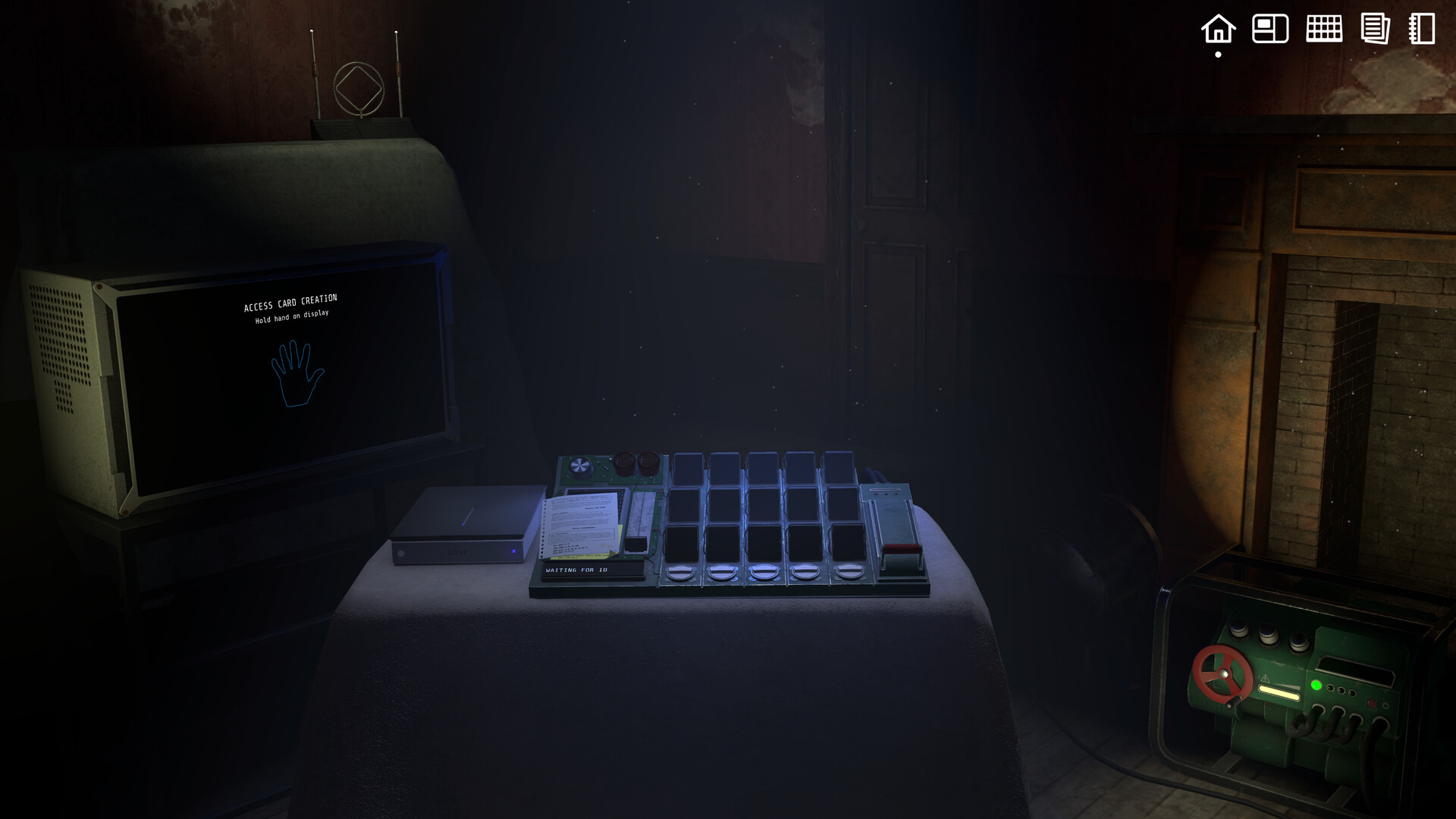
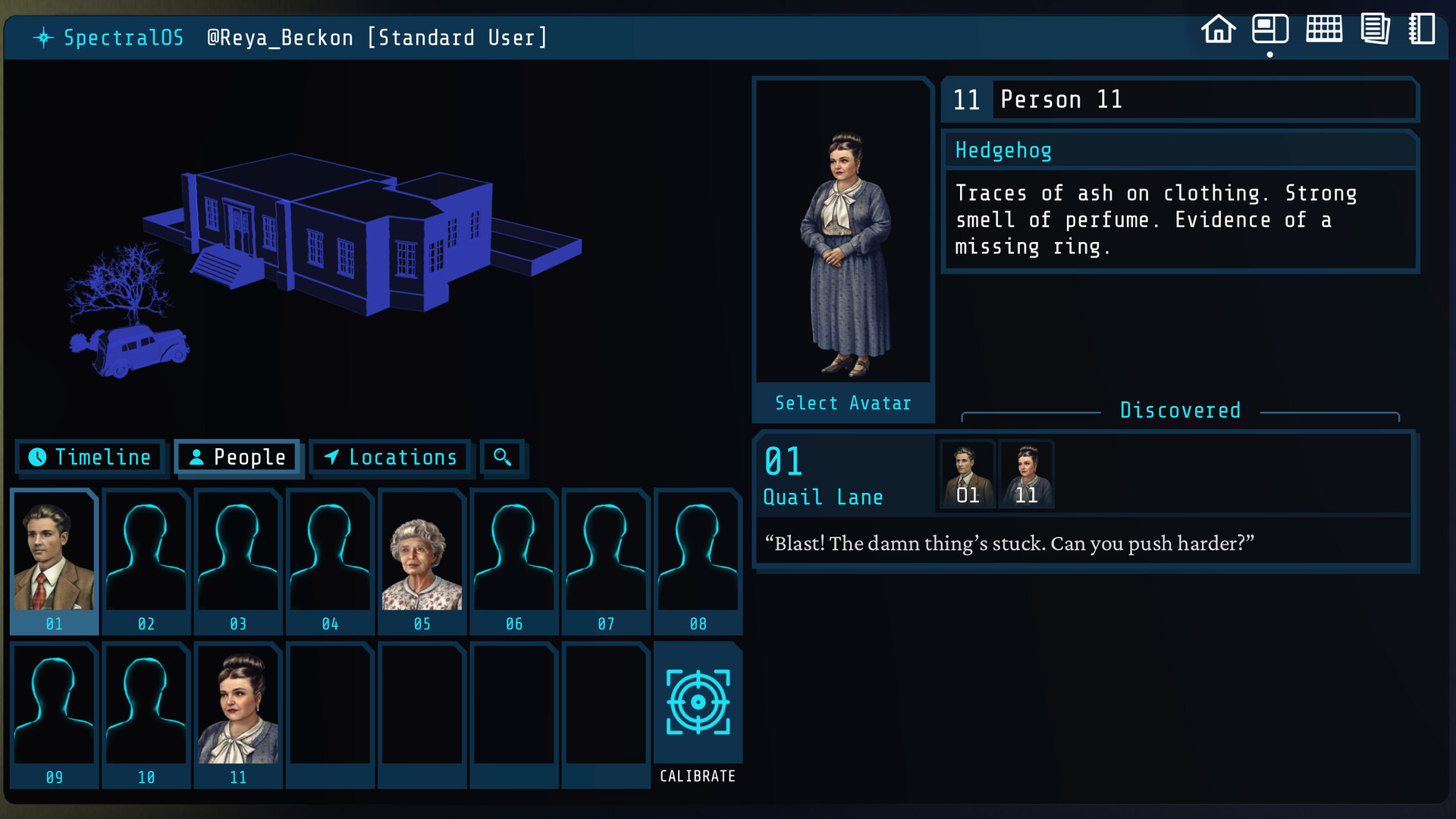
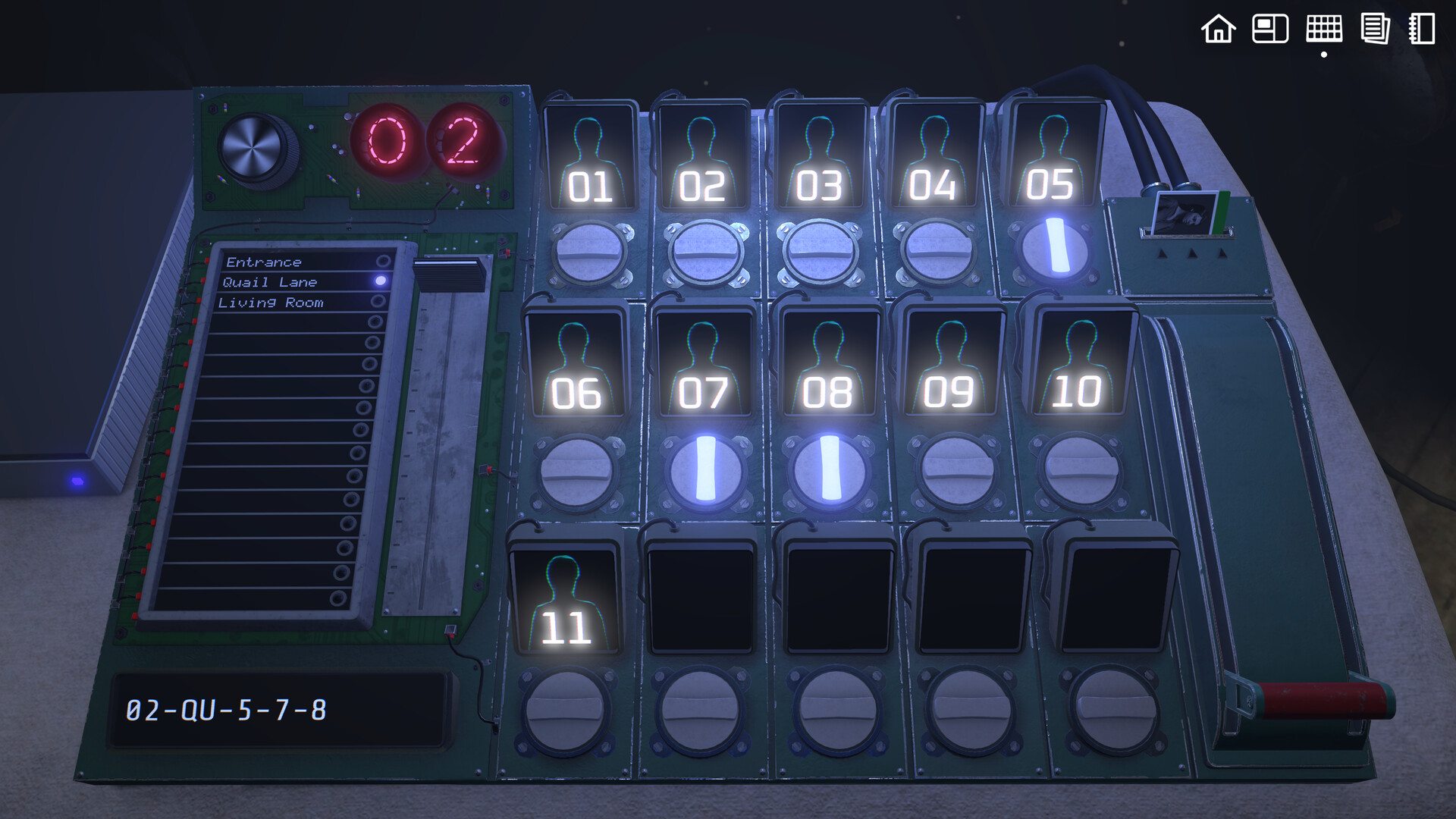
At its heart, Galley House turns you into an archivist of echoes. You don’t run or fight—you listen, rewind, and stitch fragments of conversation and description into a coherent timeline. The interface presents memories as nodes you can rotate and inspect in a 3D space, which makes re-tracing who was where and when oddly tactile and satisfying. Most of your time is spent cross-referencing dialogue snippets, matching labels, and confirming chains of events; that methodical, almost forensic pacing is the whole point. The game also gives you in-game systems for tracking discoveries, which removes the old itch of frantic note-taking but keeps the delight of discovery intact.
When Voices and Pictures Do the Heavy Lifting
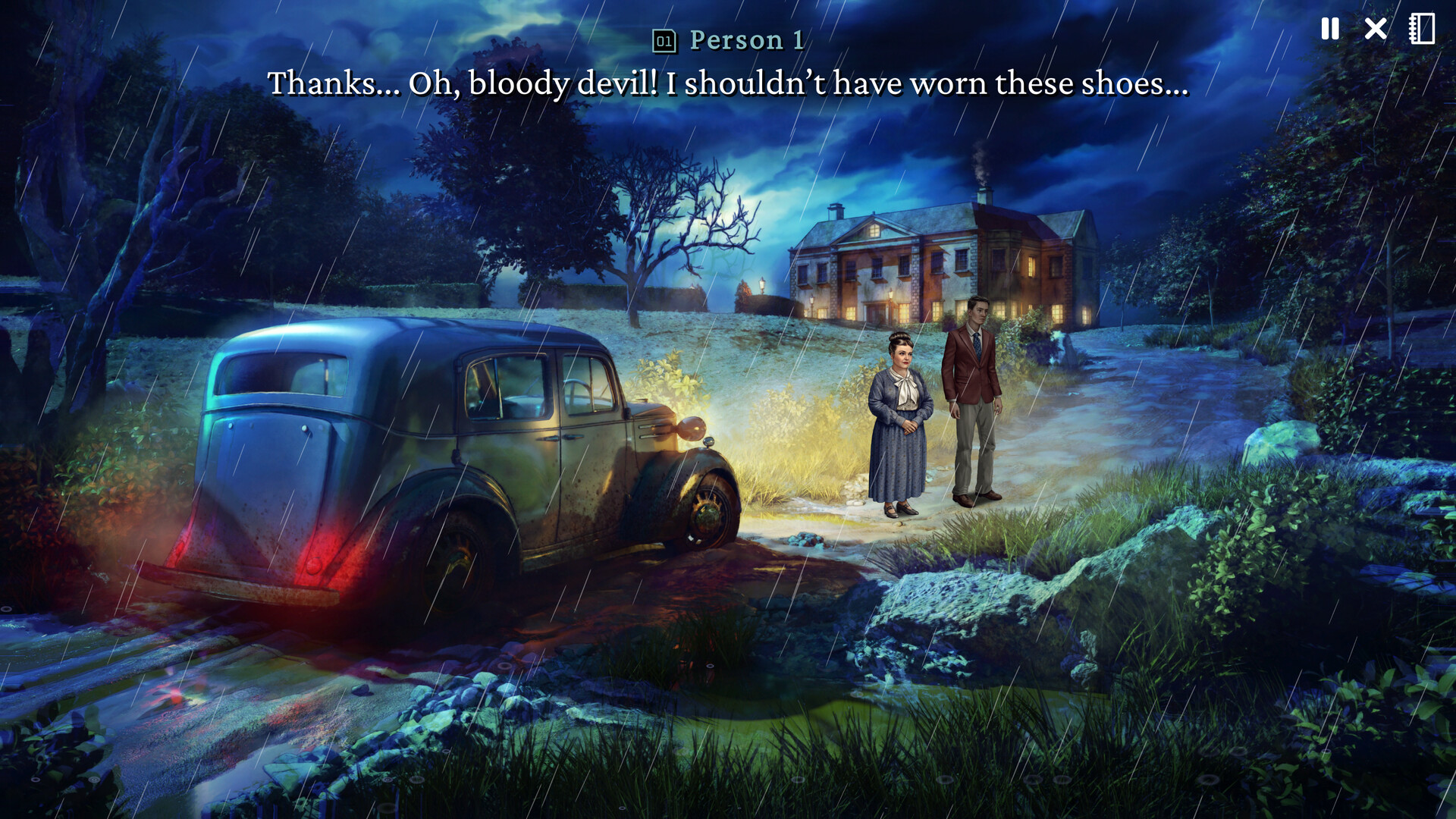
What lifts this release above the original text version is how audio and visuals amplify deduction without spoon-feeding answers. Full professional voice acting brings characters to life—small inflections or a nervous laugh become clues themselves. The new illustrations are not hyper-detailed portraits so much as mood-setting frames: they hint at context and help anchor memory nodes. New puzzles and optional content expand the original ’Type Help’ logic in ways that feel authentic, offering additional beats and small reveals that reward repeat players. Accessibility is considered too: I saw in reviews and experienced myself that the game runs well on varied hardware, and the UI aims to be forgiving for players who don’t want to scribble everything on a pad.
A House of Sound and Texture
Graphically the game favors a painterly, slightly washed palette that sells the era and the rot at the edges of the house. It’s not about photorealism—rather, the art complements the detective work by suggesting rather than shouting. The soundtrack is low and unnerving: piano, distant mechanical hums and occasional string swells that cue you into tense discoveries. Performance-wise the title is lean—Steam Deck support and reports from mac/linux users show a smooth experience, and I encountered no hitches on a modest PC. Small QoL touches—like rewindable audio clips, in-game summaries and an intuitive navigation cursor—mean the game feels modern without losing the deliberate, old-school puzzle heart.

The Incident at Galley House is a thoughtful and faithful reimagining that adds polish, voice and heart to an already clever detective concept. If you enjoy patient, logic-driven mysteries—especially games that reward careful note-taking and cross-referencing—this is an easy buy. If you want explosions and constant motion, look elsewhere. For fans of Type Help, Obra Dinn and The Roottrees Are Dead, Galley House is a satisfying, spooky expansion of that niche.


Pros
- Brilliant, atmospheric voice acting and soundtrack
- Smart, tactile memory-interface that replaces paper notes
- Adds meaningful new content to the Type Help template
- Runs well on a variety of systems, including Steam Deck
Cons
- Some players may find the pacing slow or obtuse
- If you prefer action, the listening-based gameplay can feel static
- Repeat players might be split on how much new content is enough
Player Opinion
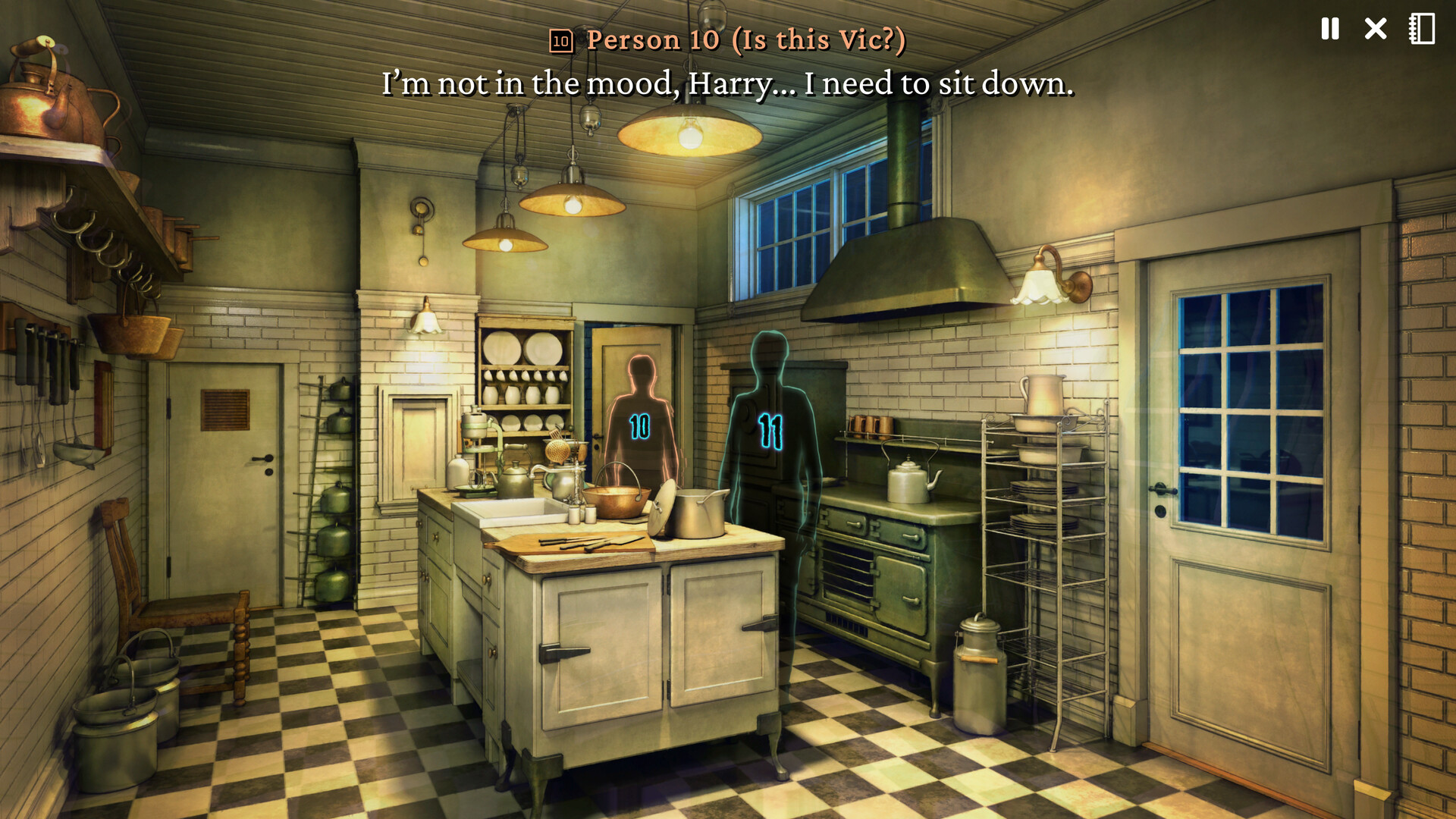
Player reaction on launch has been overwhelmingly positive, especially from those who loved Type Help and detective puzzlers like Return of the Obra Dinn or The Case of the Golden Idol. Many reviews praise the new art and exquisite voice acting, saying the audio-visual layer transforms the original text into a palpable, eerie world—some players noted the kitchen illustration matched their own mental picture from the old game. Accessibility and quality-of-life upgrades (in-game tracking, rewindable audio, clear progress markers) get repeated mentions: people like that they don’t need to take paper notes. A few voices caution that if you’ve already played the free Type Help extensively, the experience may feel familiar, and some will debate whether the new material justifies a full replay. There’s also a chorus of players reporting smooth performance on Steam Deck, Mac and Linux, reinforcing that the release is polished across platforms. Overall: lovers of methodical, brainy mysteries are delighted; players who want rapid action may be less sold.