MOLE Review — Deep-Bore Psychological Horror with Tactile Machinery
I spent hours alone aboard a silent drilling vessel in MOLE — a claustrophobic, tactile horror about memory, madness and keeping a machine alive as your sanity frays.
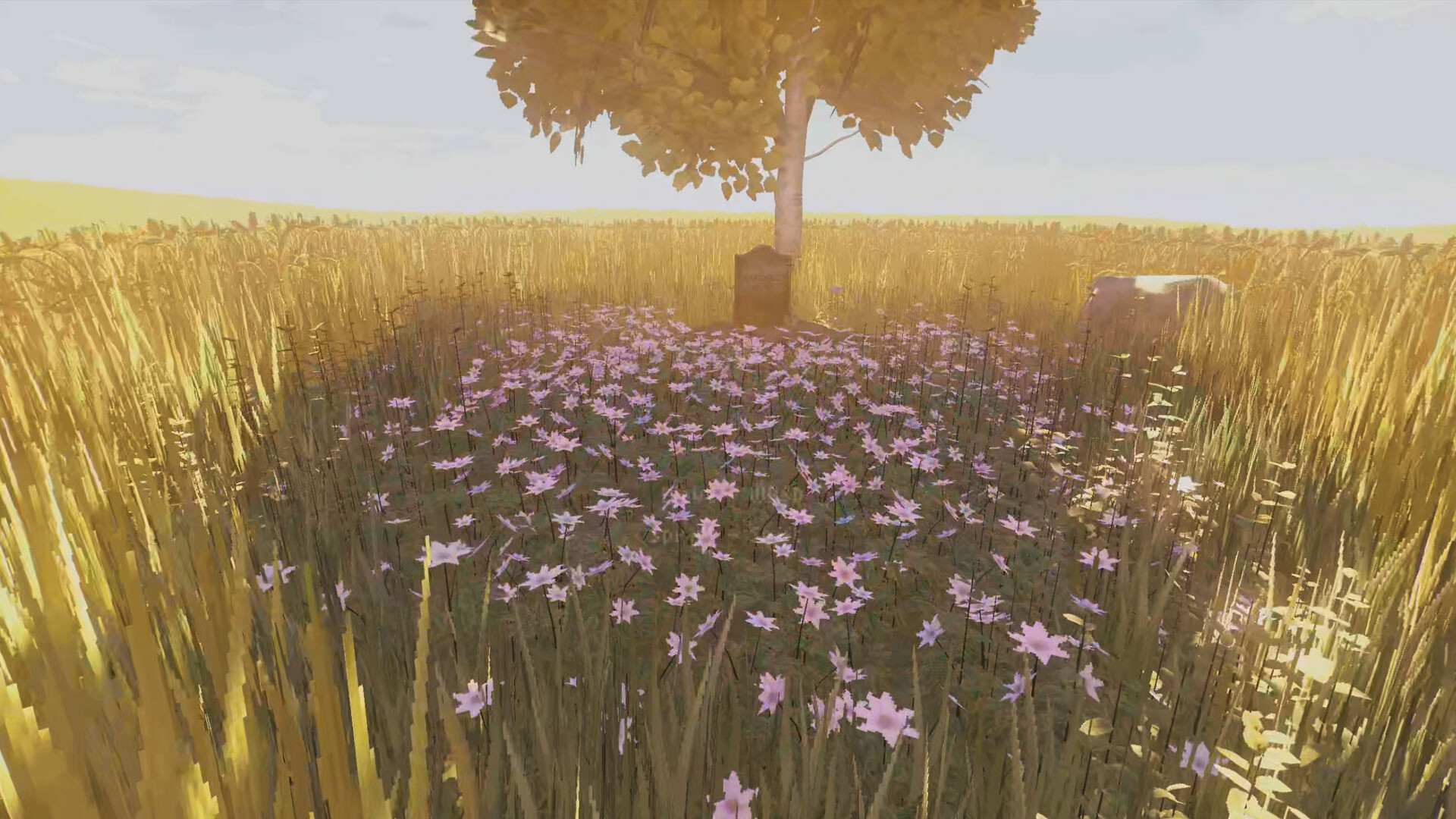
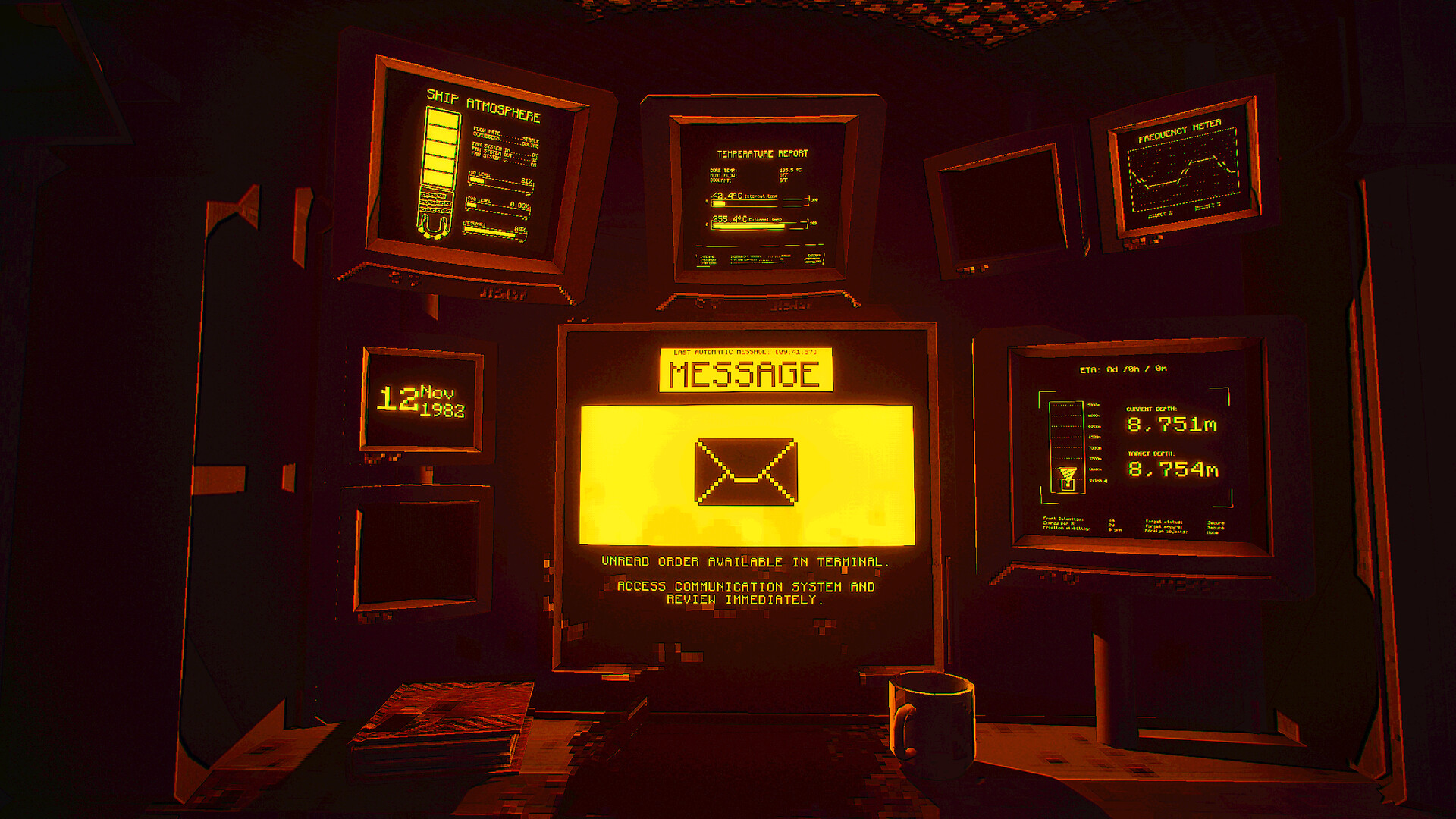
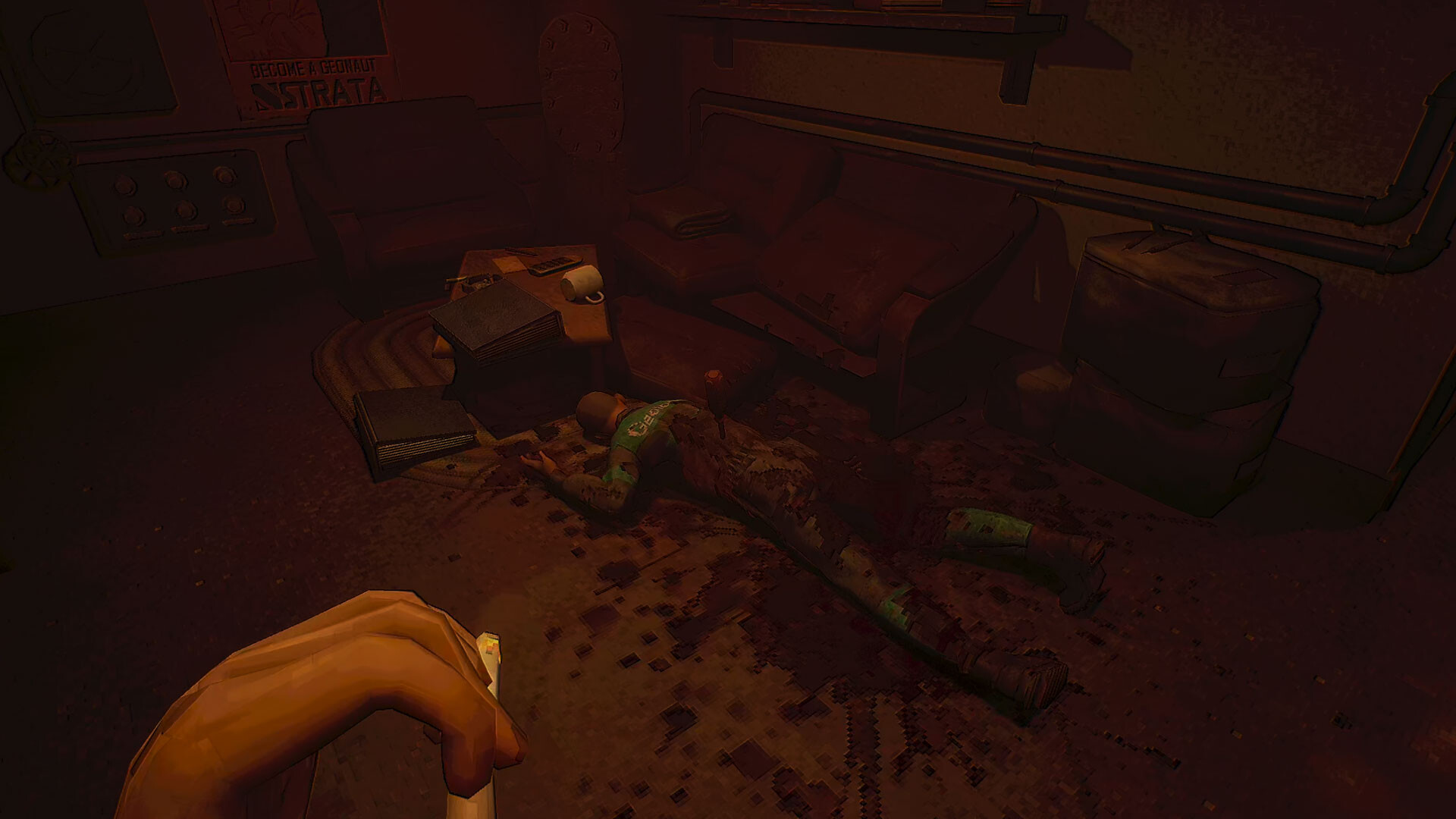
MOLE grabbed me from the moment I clambered into the Navigator’s chair: you’re alone on a colossal deep-bore vessel, the crew has vanished, and an unrelenting Signal worms into your head. The game is a slow-burn psychological horror with tactile simulation elements — think heavy switches, dials and systems that actually feel like they matter. It’s reminiscent of titles like Mouthwashing or Iron Lung in mood and machinery, but MOLE leans harder into memory, faith and the slow erosion of sanity as gameplay currency. If you like oppressive atmosphere, hands-on puzzle solving and a story that refuses to hand you tidy answers, this one’s worth your time.

Keeping the Vessel Breathing
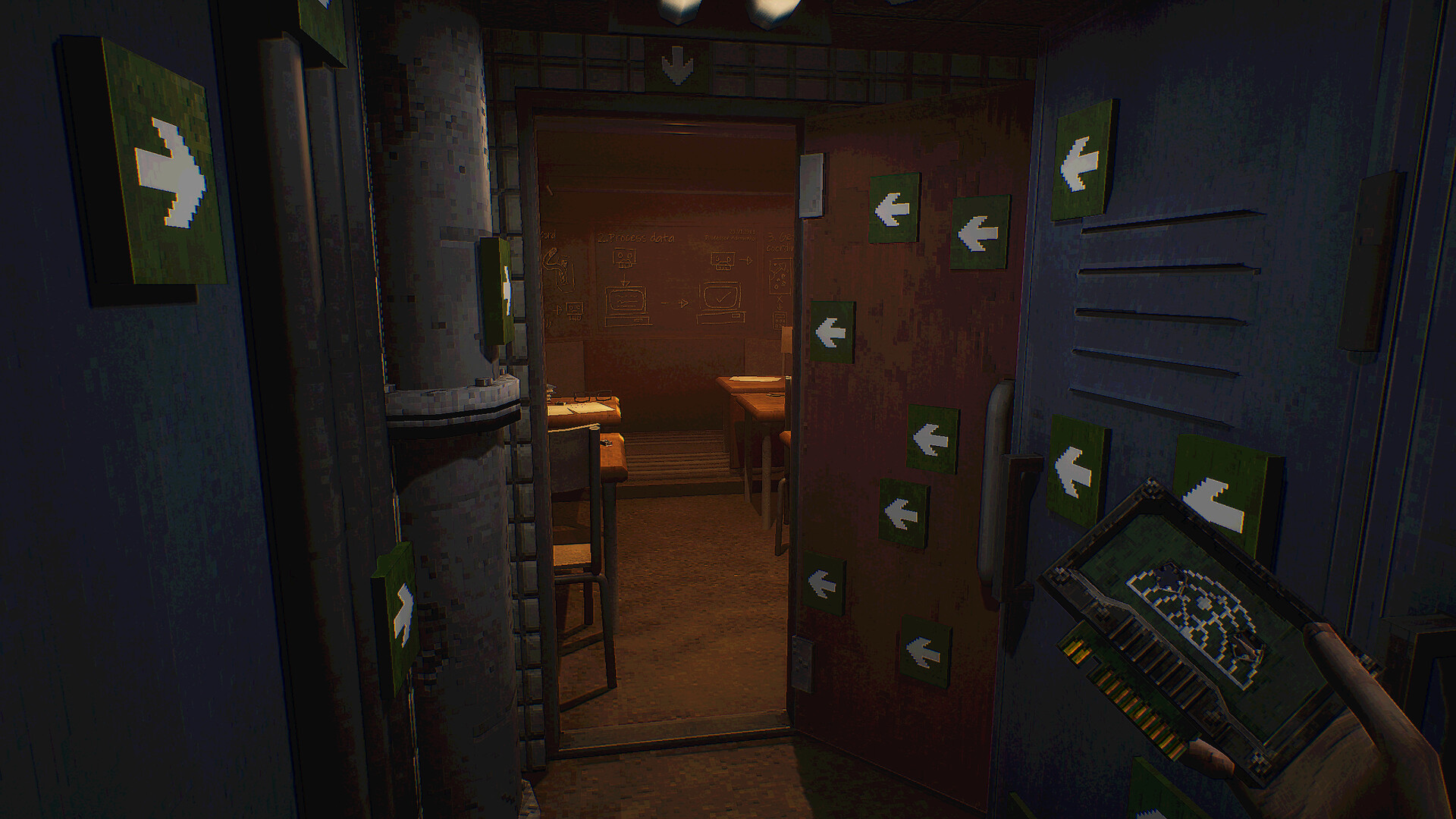
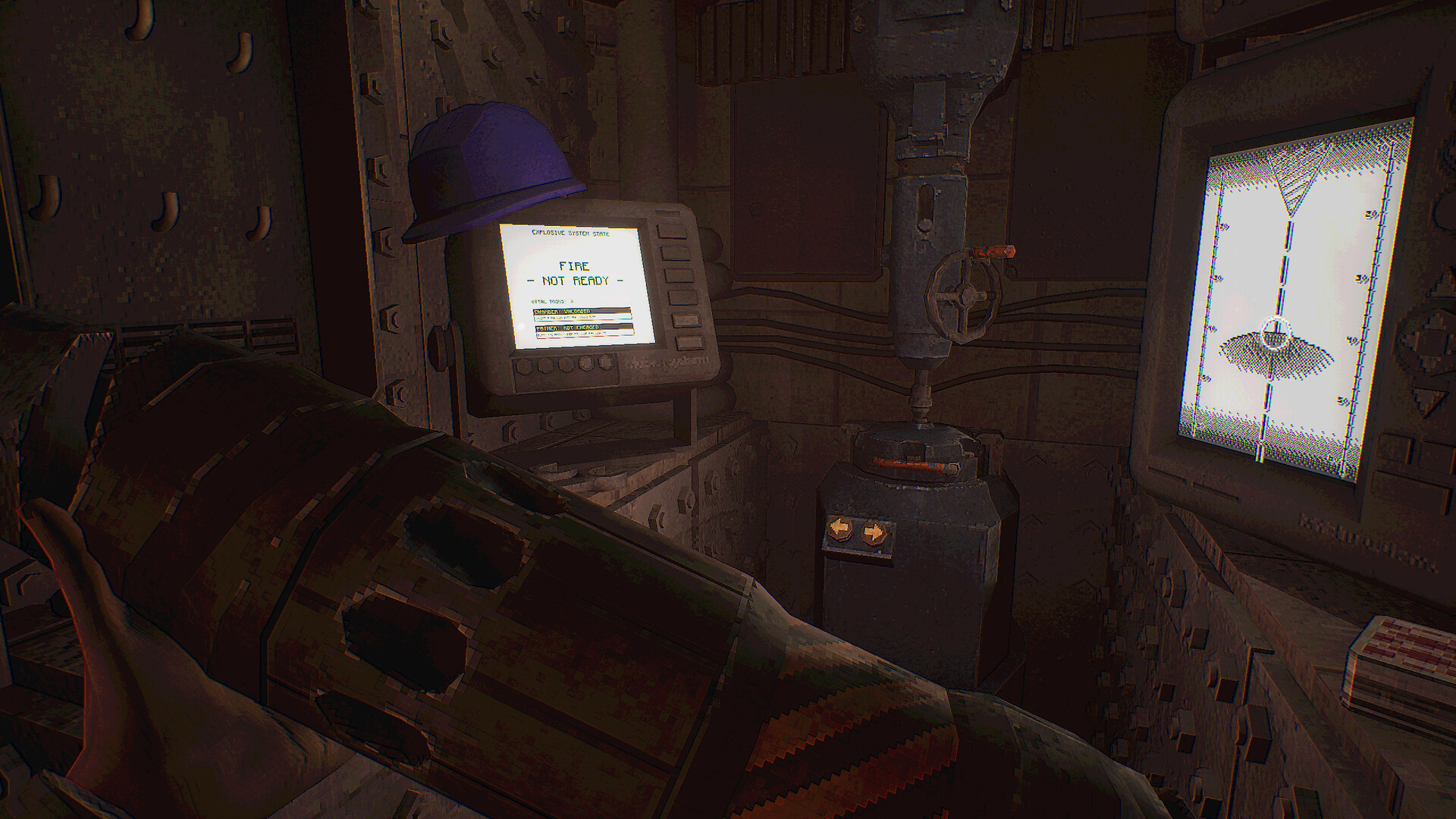
Das Gameplay zentriert sich auf die Arbeit am Schiff: du kurbelst Pumpen, justierst Druckregler, reparierst defekte Leitungen und balancierst Energieflüsse, während die Tiefe zunimmt und die Anzeigen anfangen zu flimmern. Es ist ein Spiel, in dem ein falsch gezogener Hebel oder ein überhitzter Motor sofort greifbare Konsequenzen hat — Stromausfälle, ausgelöste Alarme oder das unangenehme Gefühl, dass etwas im Schacht deine Schritte verfolgt. Du verbringst viel Zeit mit physischen, fast mechanischen Interaktionen; die Menüs sind minimal, stattdessen betrittst du Schaltschränke, drehst Ventile und setzt Cartridges ein, was die Immersion enorm verstärkt. Diese Fokussierung auf taktiles Management macht das Spiel weniger zu einem reinen Spaziergang und mehr zu einer Aufgabe: überlebe den Abstieg, ohne das Gerät zu verlieren oder komplett den Verstand zu verlieren. Timing, Beobachtung und gelegentlich schnelle Reaktionen in Chases halten die Spannung lebendig, obwohl viele Momente eher langsam und sorgfältig sind.
When the Ship Becomes a Character
MOLE hebt sich durch die Art ab, wie die Bohranlage selbst zur Hauptfigur wird: jedes System hat eine eigene Stimme in Form von Anzeigen, Knarren und dem Signal, das nie vollständig verstummt. Die Puzzles sind dieart in die Spielwelt eingebettet, dass du nicht einfach „Objekt nehmen“ klickst, sondern echte Systembeziehungen verstehst — wie ein plombiertes Ventil mit einer spezifischen Cartridge reagiert oder wie das Navigationsmodul gespeicherte Erinnerungsfragmente freilegt. Diese diegetischen Rätsel fühlen sich organisch an; sie erzählen oft mehr über die Crew und deine Rolle als viele direkte Dialoge. MOLE mischt einfache mechanische Aufgaben mit narrativen Entscheidungen, bei denen deine Interpretationen der Fragmente Einfluss auf den mentalen Zustand haben. Kombiniert mit sporadischen, sehr gut gesetzten Schocks und Verfolgungssequenzen entsteht ein Gleichgewicht aus Erklärungsarbeit und purem Überlebensinstinkt, das mich oft nervös grinsten ließ.
Grooves, Gears and Groaning Soundscapes
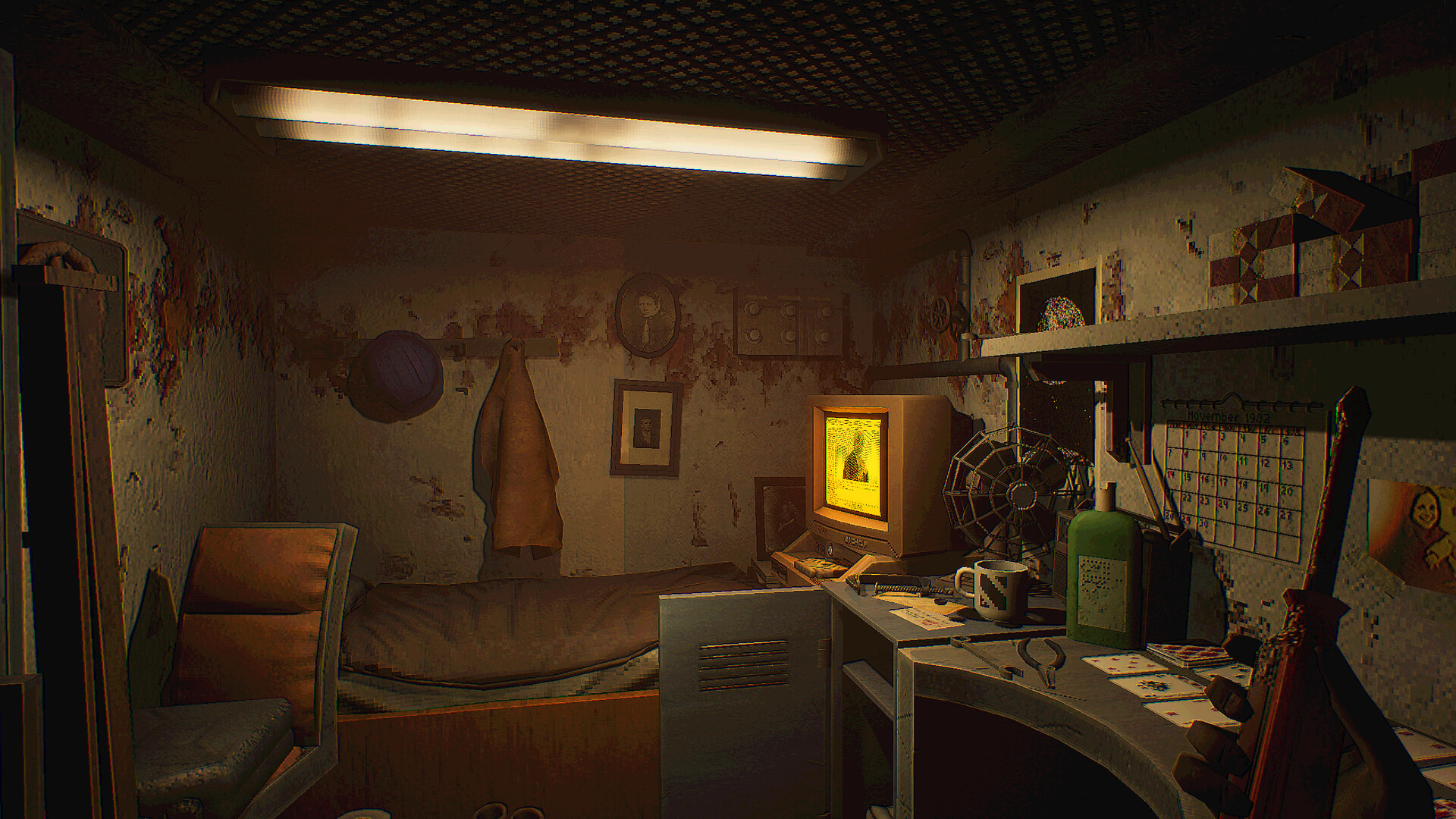
Technisch ist MOLE kein Grafikblender, aber das ist Absicht: der Artstyle setzt auf knarzige, nahezu retro-futuristische Industriestimmung, in der Lichtkegel und Schmutz mehr erzählen als hochpolierte Texturen. Die Soundarbeit ist das wahre Herzstück — metallische Echos, subtil platzierte Atemgeräusche und das allgegenwärtige Signal erzeugen eine permanente Beklommenheit. Auf meinem PC lief die Performance stabil, die Bedienung per Maus und Keyboard fühlt sich präzise an; kleinere Interface-Politur könnte helfen, aber selten störte es den Fluss. Einige Spieler berichten von Problemen auf Handhelds oder niedrigeren Framerates auf Steam Deck, was man beachten sollte, wenn man portabel spielen will. Insgesamt liefert MOLE eine dichte Atmosphäre, bei der Präsentation und Audio die mechanische Spielweise perfekt ergänzen.

MOLE is a compact, well-crafted psychological horror that nails mood and tactile gameplay even if it stumbles on length and a few technical hiccups. I recommend it to anyone who loves oppressive atmosphere, hands-on system puzzles and stories that linger after the credits. If you expect open-ended exploration or dozens of hours, temper expectations — but if you want a precise, emotional descent into madness, MOLE is worth the drop.


Pros
- Intense, oppressive atmosphere driven by sound design
- Satisfying tactile systems and tactile puzzle interactions
- Strong, emotional narrative with memorable moments
- Fair price for the experience; demo hooked many players
Cons
- Shorter than advertised for some players (around 3 hours)
- Occasional bugs and some platform performance issues reported
- Minor UI rough edges during hectic moments
Player Opinion
Players praise MOLE overwhelmingly for its atmosphere, sound design and the tactile feel of operating the vessel; many reviews mention gripping emotional beats and creative scares that stuck with them. Several users compared the mood to Mouthwashing or Iron Lung and called out the demo as a major reason they bought the full game. Criticisms cluster around length—multiple players finished in under three hours despite a 4–5 hour estimate—and a handful reported bugs that forced reloads or blocked progress. There are also repeated notes about Steam Deck performance and that the devs removed the demo post-release, which some found frustrating. If you like immersion-first horror with mechanical puzzles and a strong narrative spine, fans say MOLE will likely hit the right notes.