The Message from Deep Space Review — A Translation Odyssey That Hooks You
I spent dozens of hours decoding alien transmissions in this retro-styled puzzle game. Deeply rewarding puzzles, warm characters and a patient learning curve make it a standout for fans of language and logic.
I didn’t expect to be emotionally invested in a meteorite that talks in radio beeps, but The Message from Deep Space pulled me in fast. Set in 1973 with a convincing retro-computer interface, it asks you to become the mission’s Translator and build a dictionary from scratch. If you like games that reward slow, nerdy curiosity—think Arrival meets a satisfying math-puzzle cookbook—this one scratches that exact itch. The tone is warm, the stakes feel personal, and the payoff when you finally ‘get it’ is genuinely euphoric.

Tuning the Signal: How You Actually Play
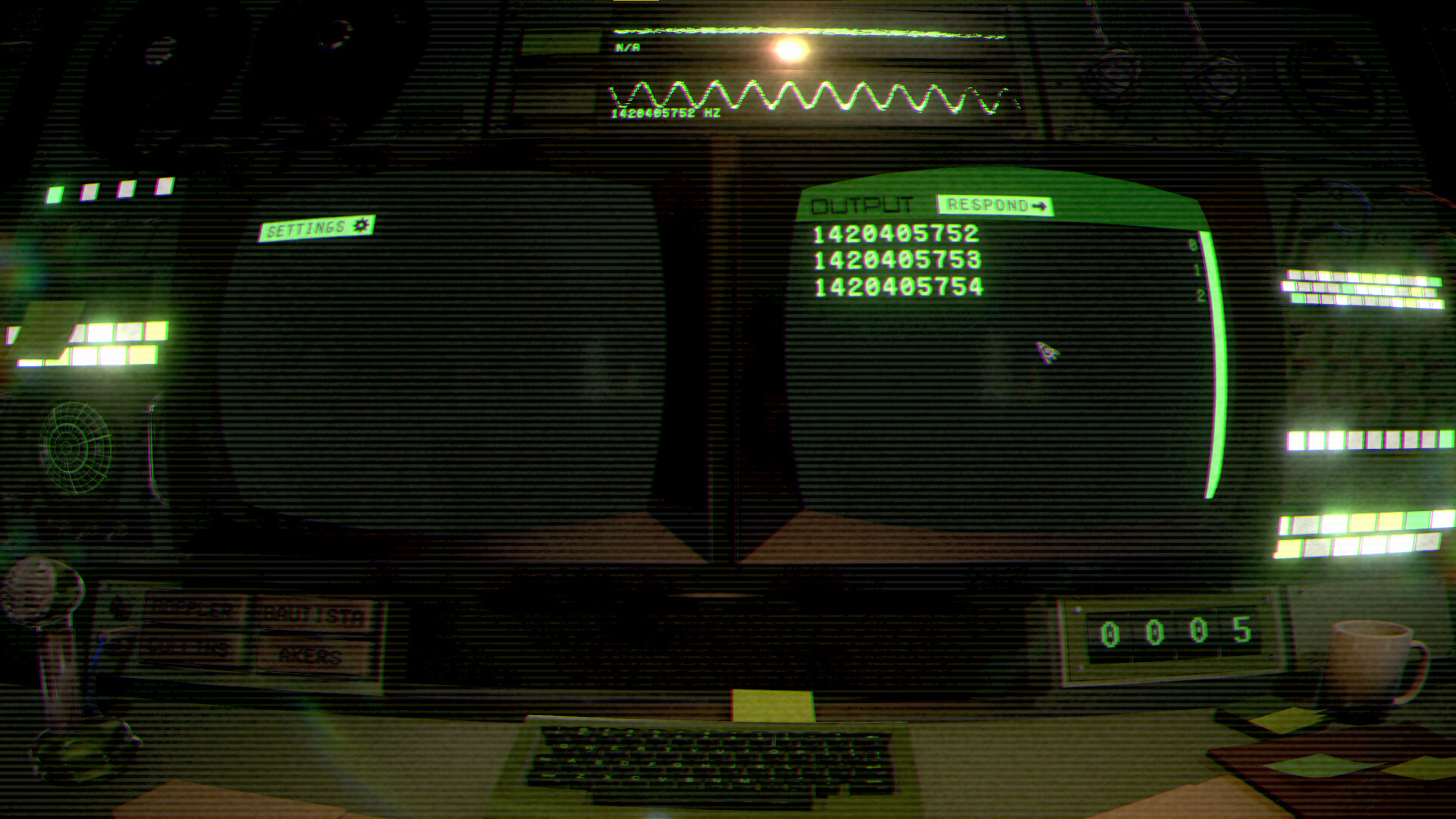
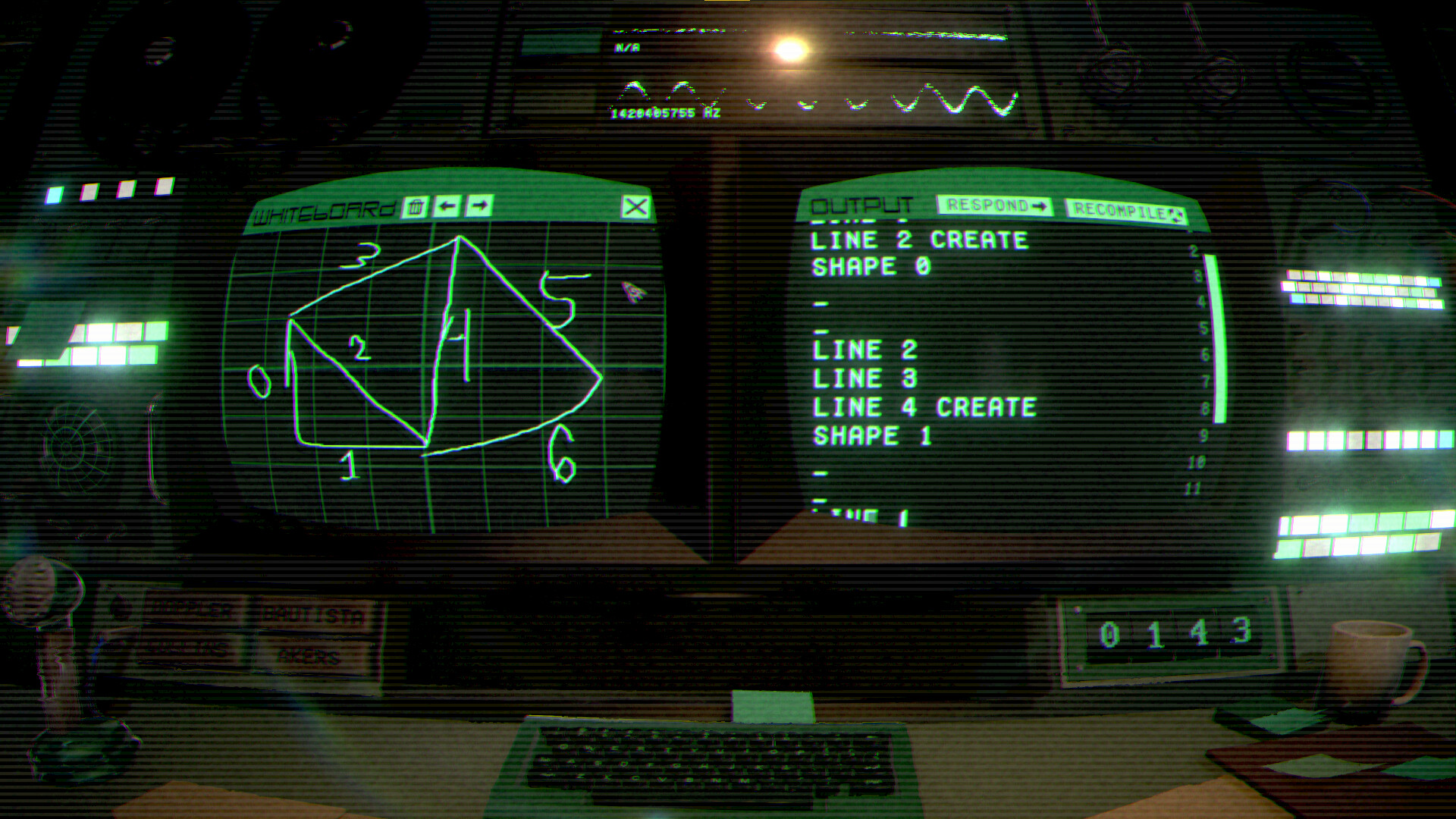
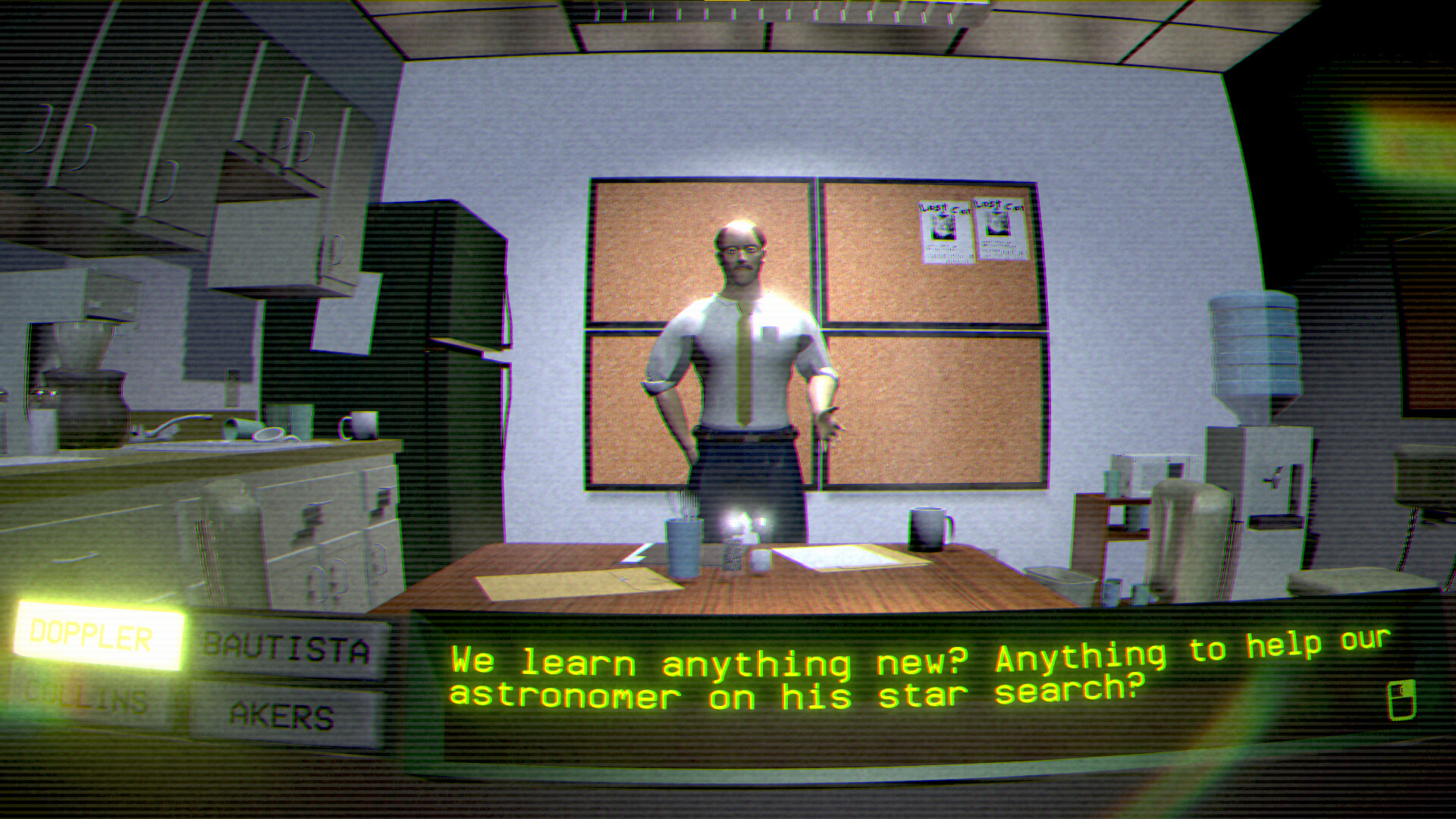
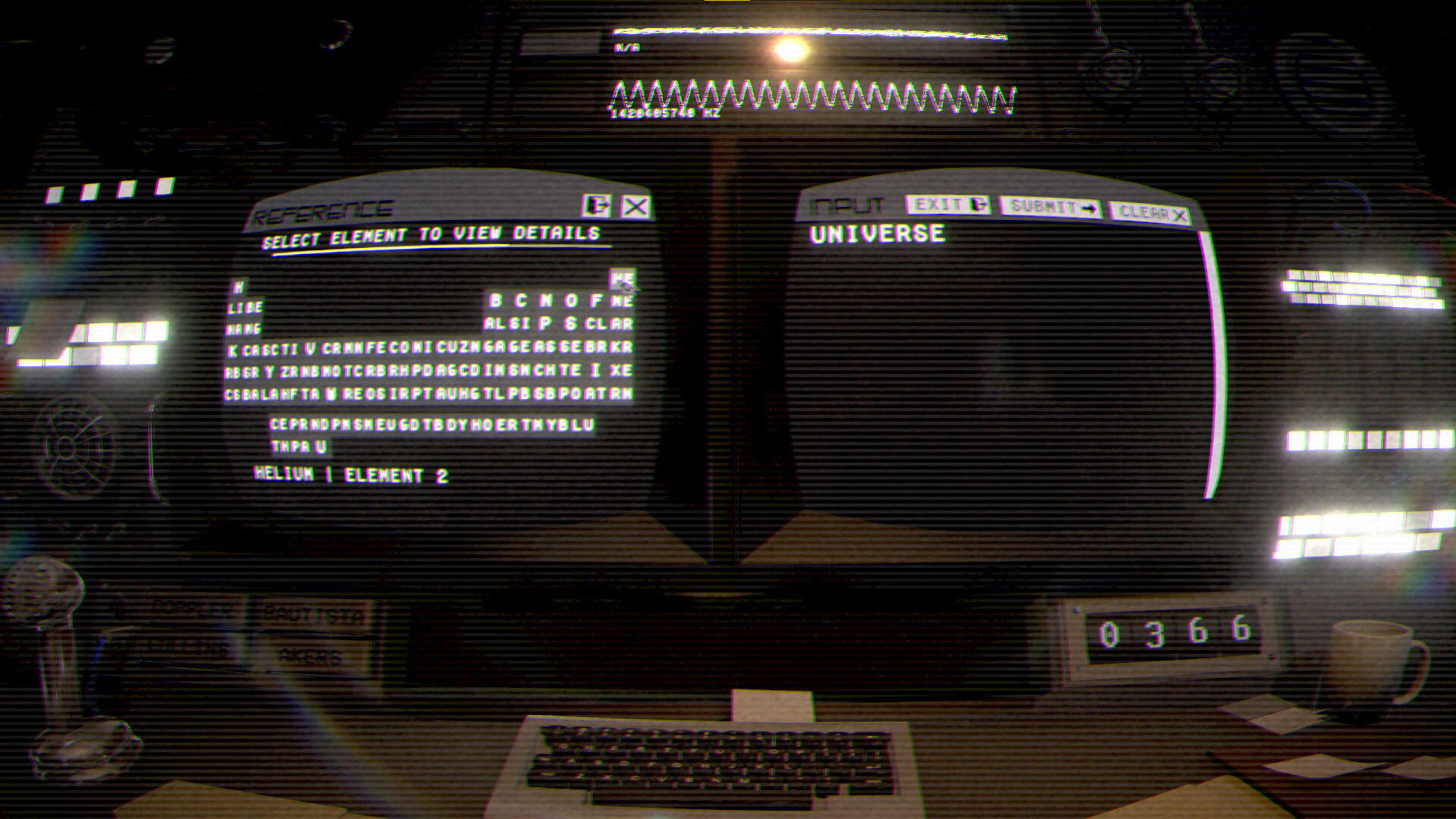
Gameplay centers on listening, hypothesizing, and responding. You receive a transmission — a string of symbols, pulses, or mathematical hints — and you design a reply by combining frequencies, symbols and the entries in your evolving dictionary. Early puzzles are deceptively simple: pattern recognition, counts, and basic arithmetic. As the game progresses you’re nudged into geometry, algebraic relationships, graph interpretations and even chemistry-like encodings, each new concept folded into later transmissions so you constantly test your assumptions. The loop is intoxicating: make a well-reasoned reply, the meteorite answers with something richer, and your in-game dictionary gains a new entry to manipulate. I spent whole evenings hunched over the retro terminal, sketching notes, arguing with the game’s programmer NPC and feeling that rare mixture of frustration and clarity.
Why This Feels Unlike Other Puzzle Games
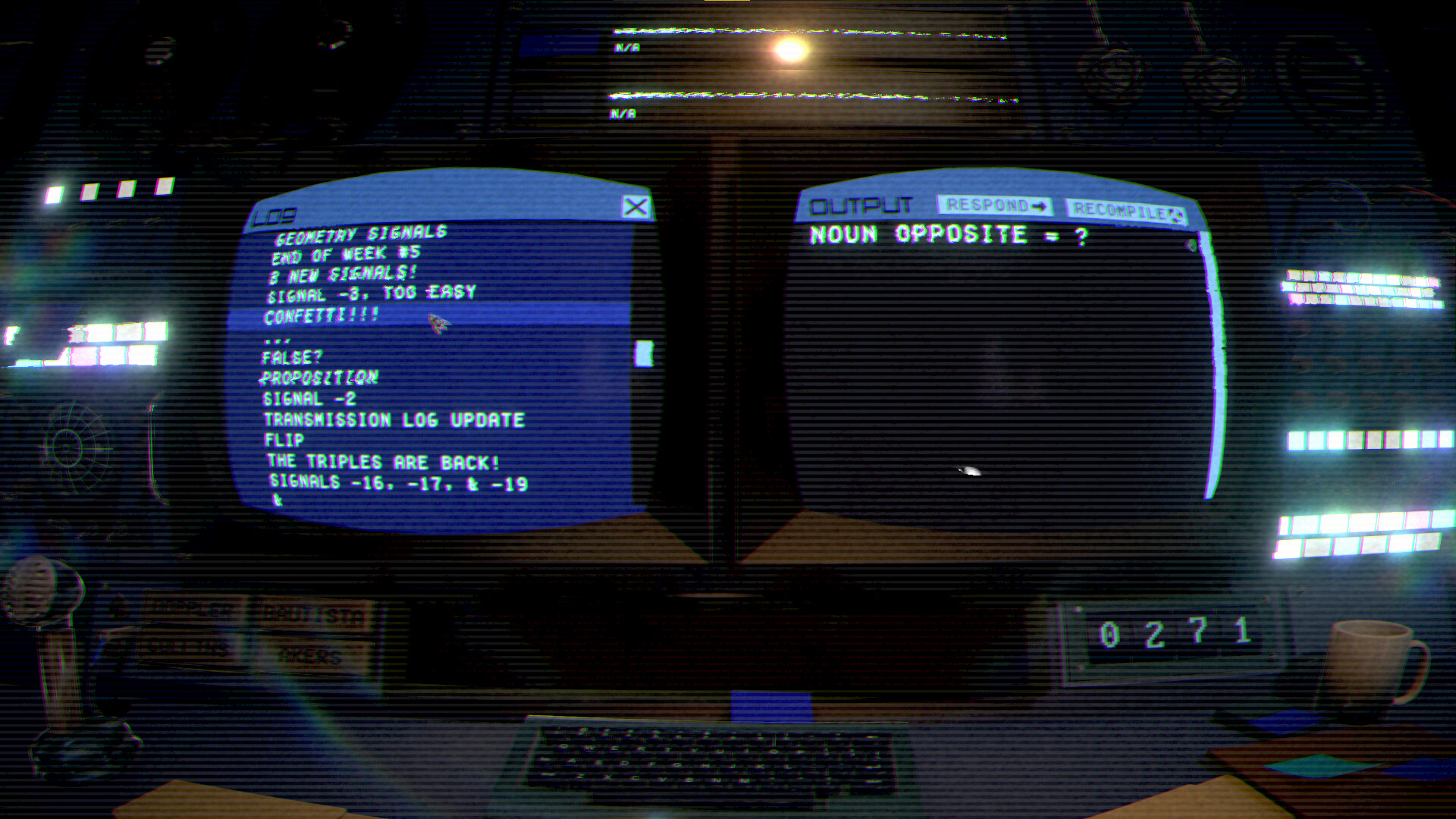
What sets it apart is the deliberate process of discovery. Instead of hunting for a pre-made keyword, you build meaning by trial, error and logical inference — your dictionary is literally user-driven and persists as evidence. The team of scientists reacts to your answers, offering hints, banter and occasionally philosophical commentary that reframes a puzzle. There are over a thousand in-game dialogues and the pacing uses “weeks” and act breaks to let concepts breathe; you rarely feel railroaded. I appreciated small touches like the ability to re-open solved transmissions, compare old responses, and see how your current theory fits the whole corpus. It’s satisfying in the same way as solving a detective case: you gradually knit disparate clues into a coherent narrative about an alien mind.
A Retro Interface That Sings (Mostly)
Presentation leans into a 1970s aesthetic with a tasteful simulated terminal, beepy radio effects and a soundtrack that never competes with thinking but still swells at key moments. Text is clear, the UI focuses on the dictionary, transmission editor and logbook; accessibility options are basic but sensible. Performance on Windows and Mac felt snappy in my sessions, though I noticed a few tiny quirks in cursor behavior that a patch could polish. The OST — about thirty minutes of composed pieces — is a highlight: it punctuates discovery without becoming intrusive and occasionally delivered spine-tingling melancholy when a translated message landed. Overall the package looks handmade in the best way: not flashy, but lovingly detailed and coherent with the game's premise.

The Message from Deep Space is a rare puzzle game that marries rigorous logic with genuine narrative warmth. If you love thinking deeply, building a personal system of meaning, and savoring slow-burn revelations, this is a must-play. It’s not casual fare — expect brain-bending moments — but the emotional and intellectual payoffs are huge.


Pros
- Deep, logical puzzle progression that rewards patient thinking
- User-driven dictionary that makes discoveries feel personal
- Warm characters and surprisingly moving narrative beats
- Excellent soundtrack and retro presentation that supports focus
Cons
- Steep learning curve — can be intimidating at first
- Occasional UI quirks in the terminal/editor
- Not for players who want fast, hand-holding puzzles
Player Opinion
Players repeatedly praise the puzzle design and emotional payoff. Many reviews mention the demo hooked them immediately and that the full game delivers—users cite long playtimes (dozens of hours), meticulous pacing and a sense of genuine discovery. People love the team banter and often say the scientist NPCs evolve from mildly annoying to deeply sympathetic. Criticisms cluster around the learning curve — a few players reported feeling stuck or mentally exhausted — and sporadic UI niggles that make note-taking fiddlier than it should be. The community and the developer’s responsiveness are commonly lauded; if you enjoy collaborative problem solving, fans recommend teaming up in Discord or playing with friends to mix complementary skills.