Veritas Tales: Witch of the Dark Castle — A Handmade Gamebook Worth Your Time
A lovingly crafted digital gamebook from Vanillaware veterans: 300 hand-drawn illustrations, Sakimoto music, and branchy choices that feel tactile. Expect dice rolls, pencil-scratches and cozy tabletop vibes on Windows.
I didn’t expect to stay up much past bedtime, but Veritas Tales: Witch of the Dark Castle lured me in like a paperback from childhood — cozy, mysterious and stubbornly tactile. Yoshio Nishimura poured six years and 300 illustrations into this, and you can feel the single-creator soul in every page. If you love choose-your-own-adventure books, tabletop vibes, or the old-school Vanillaware aesthetic, this one feels like a small, persistent love letter to that era. It’s simple in structure but rich in presentation, and it invites careful reading rather than frantic clicking.

Turning Pages, Rolling Dice, Making Mistakes
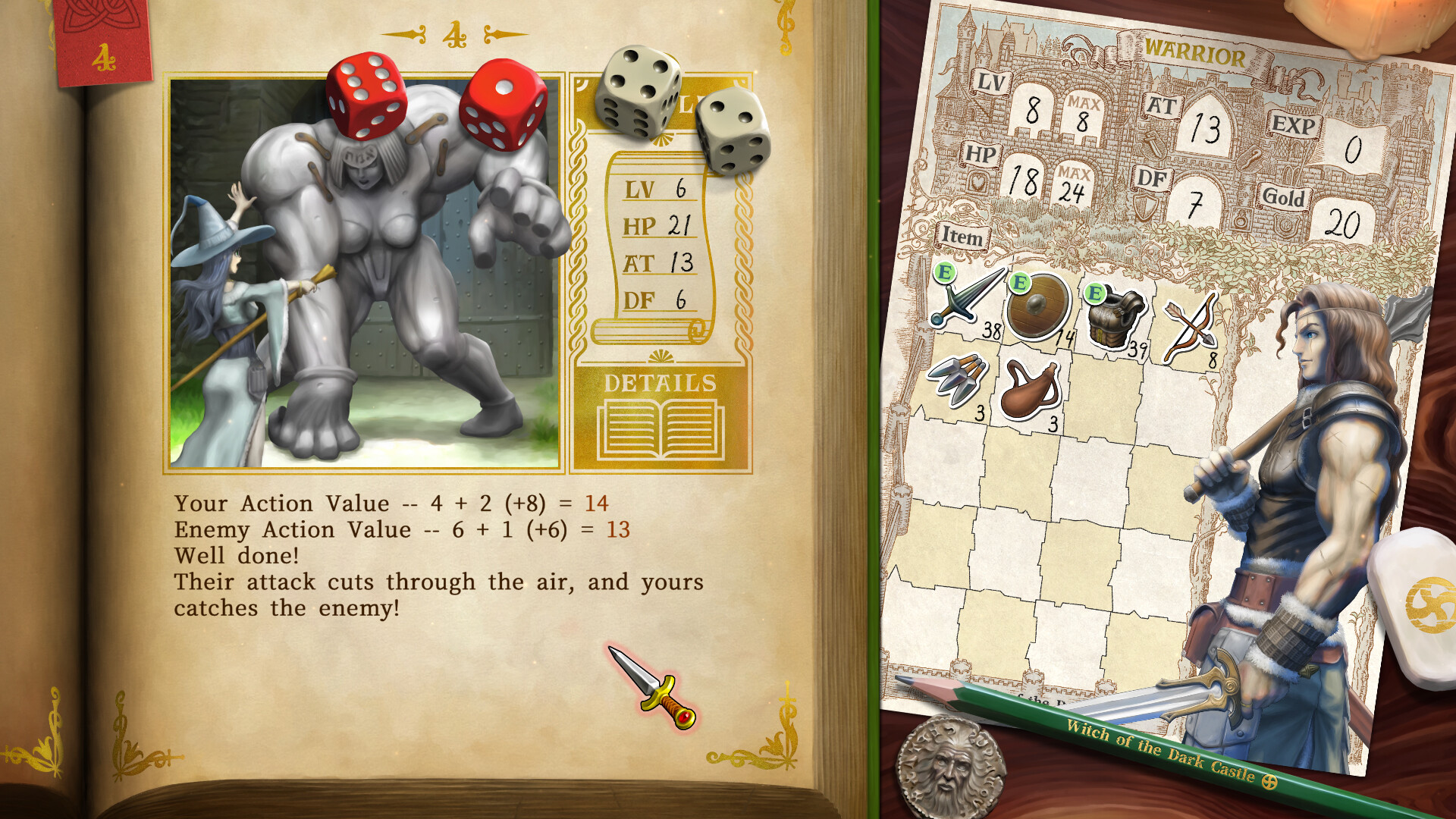
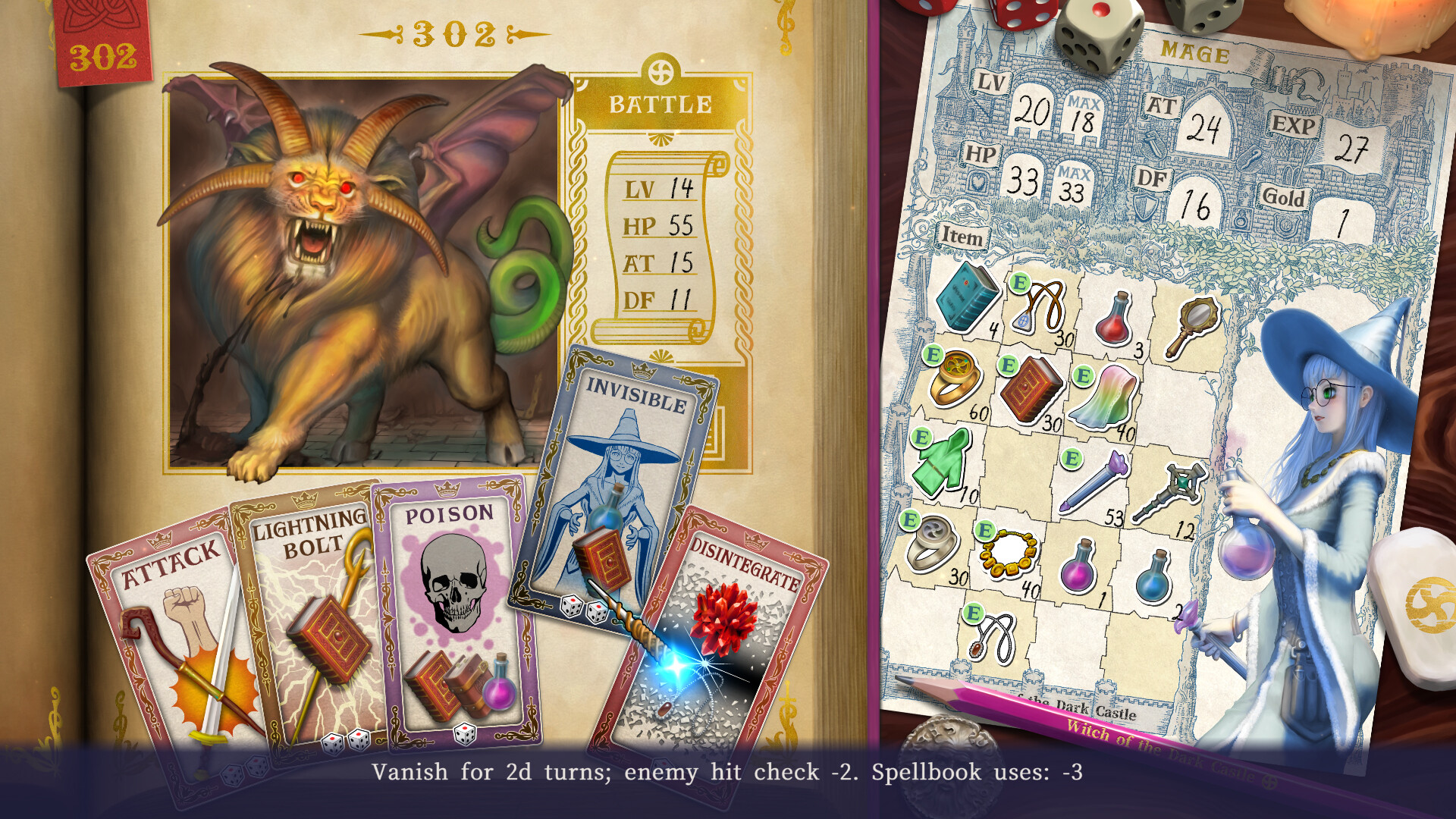
Veritas Tales plays like a physical gamebook reborn for your PC: you read, choose, roll, and sometimes begrudgingly learn from a three-minute countdown timer that has a wicked sense of humor. The core loop puts you in a role — I tried the Mage, others swear by the Warrior — and sends you through chapters where combat, negotiation or evasion are all valid approaches. Battles are handled with simple mechanics that lean into the tabletop feel: initiative rolls, outcomes based on your choices and a tactile presentation that simulates pencil-scratched stats and coinflips. Expect to re-roll, save-scum if you must, and then feel delight when a risky dialogue or clever tactic pays off.
The Little, Handmade Things That Matter
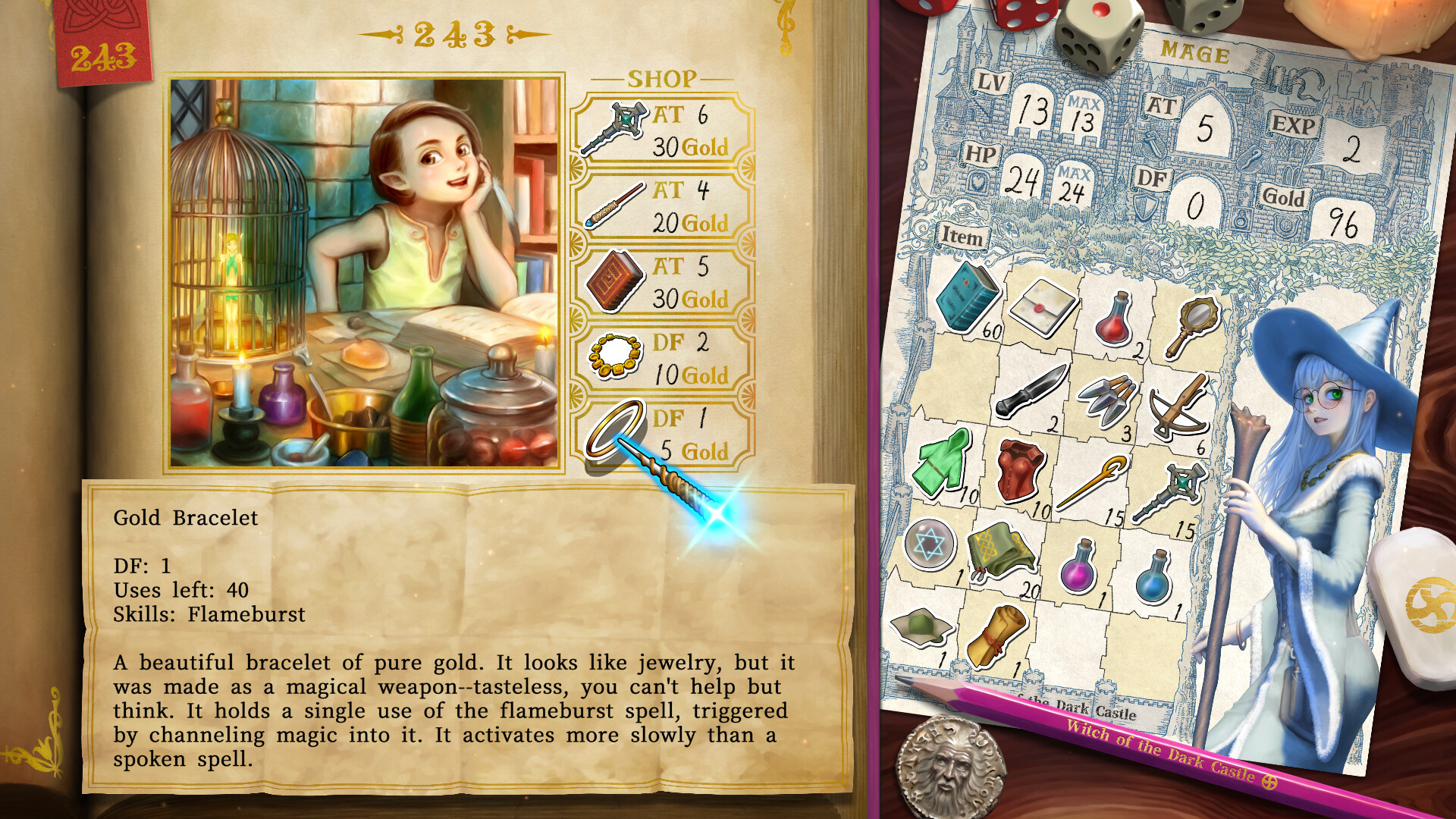
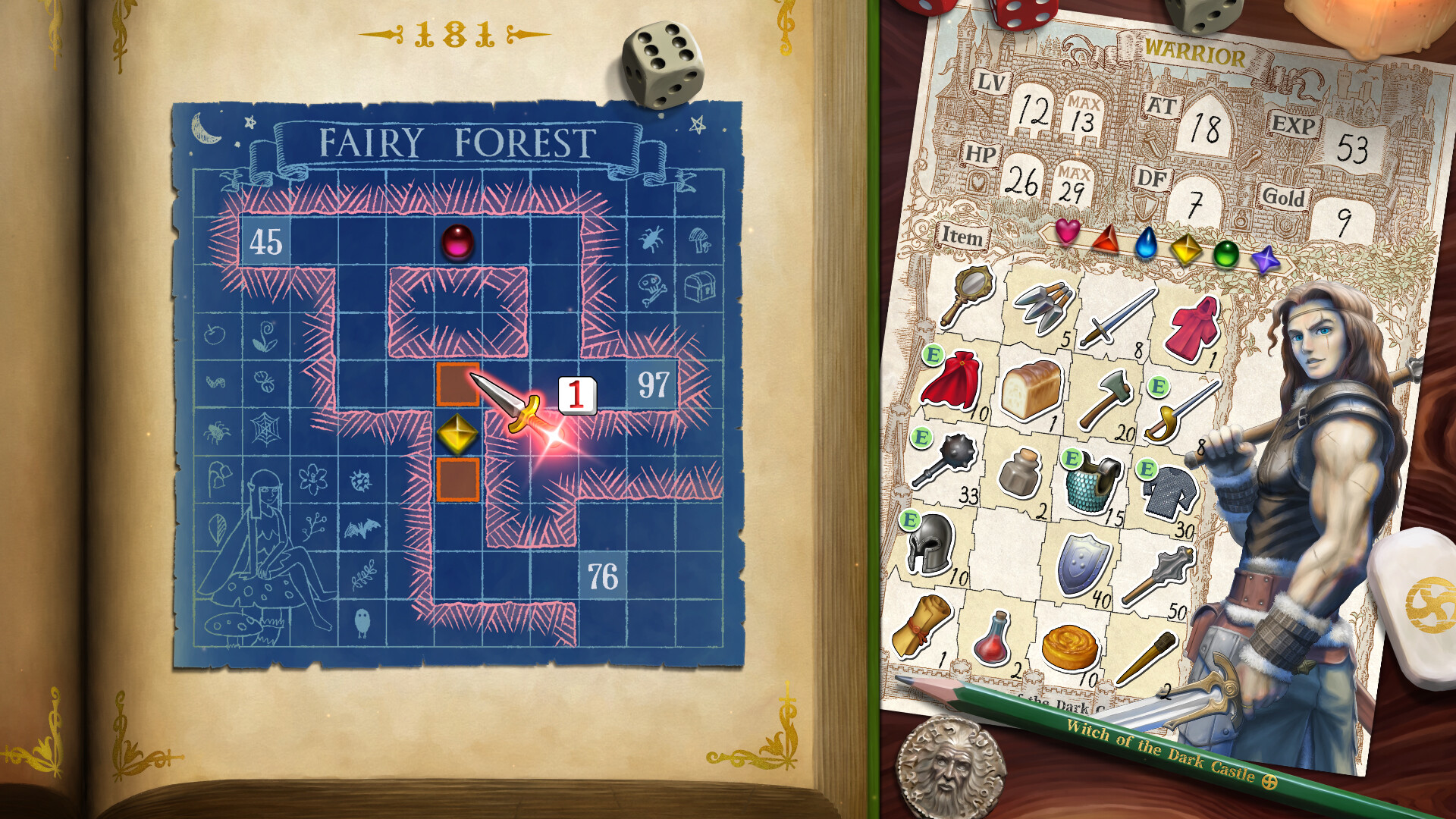
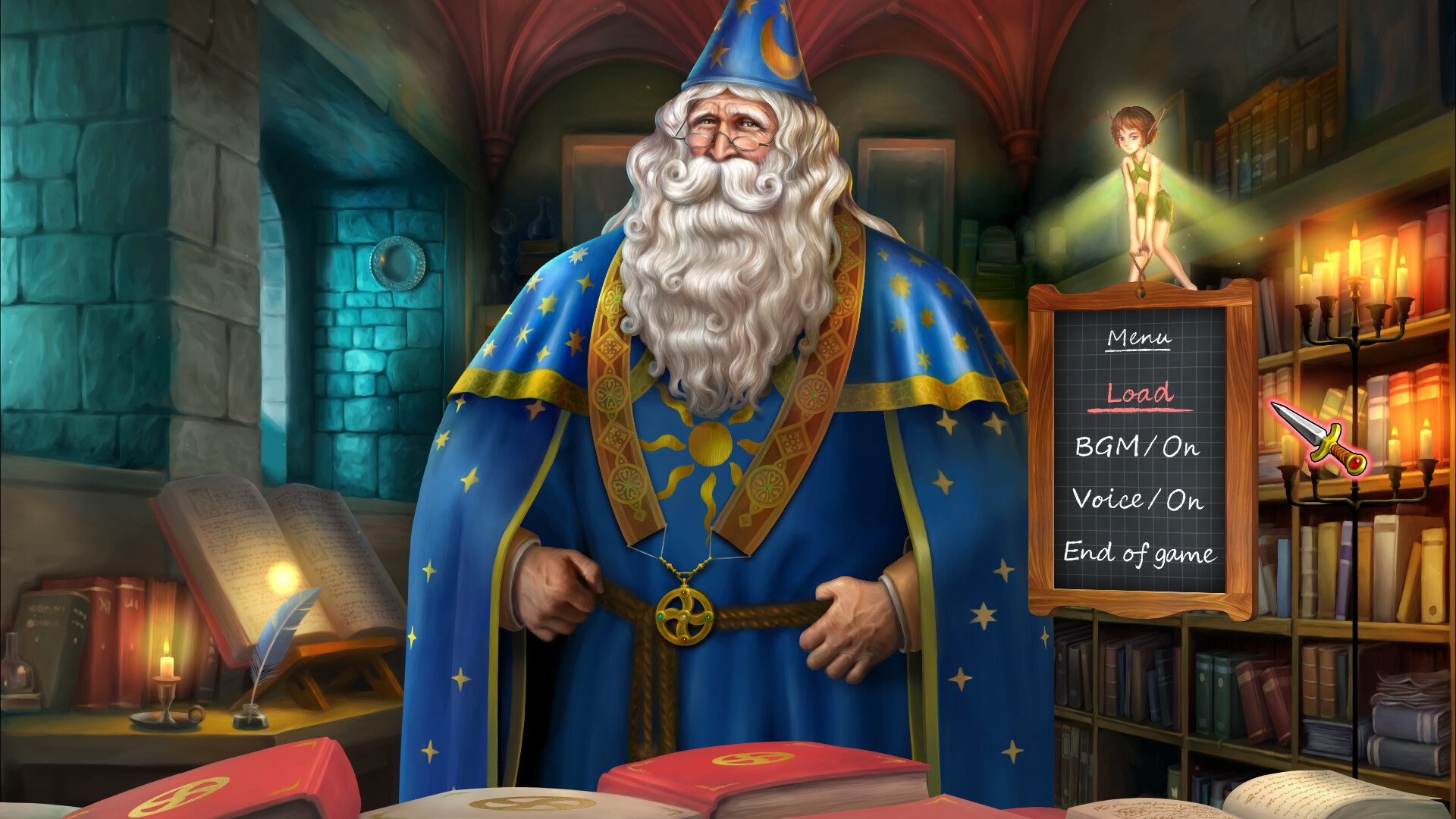
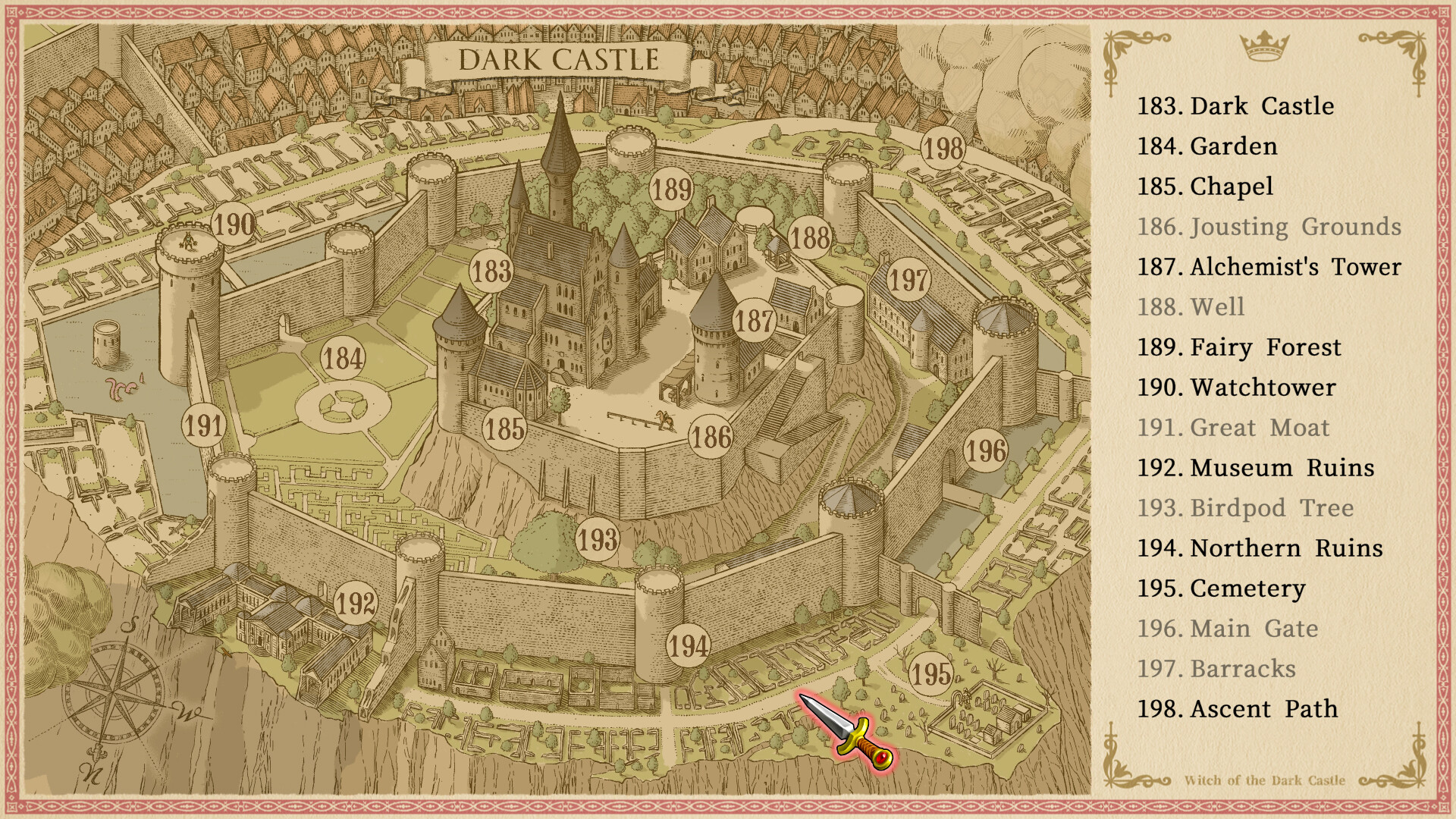
What makes the game sing is the obsessive craftsmanship: 300+ hand-drawn illustrations, a varied musical palette by Hitoshi Sakimoto, and UI flourishes that mimic a real game-master’s table — pencil scratches, eraser noises, rolling dice and even a pocketwatch for timed moments. The narrative branches meaningfully: choices ripple outward, and later chapters remember earlier kindnesses and stupid decisions alike. There’s genuine replayability because each role (Mage vs Warrior) frames scenes differently and some branches unlock only when you return with new knowledge. It’s not a sprawling AAA RPG; rather it’s a carefully curated, chapter-based adventure that rewards curiosity and patience.
A Cozy, Slightly Old-School Presentation
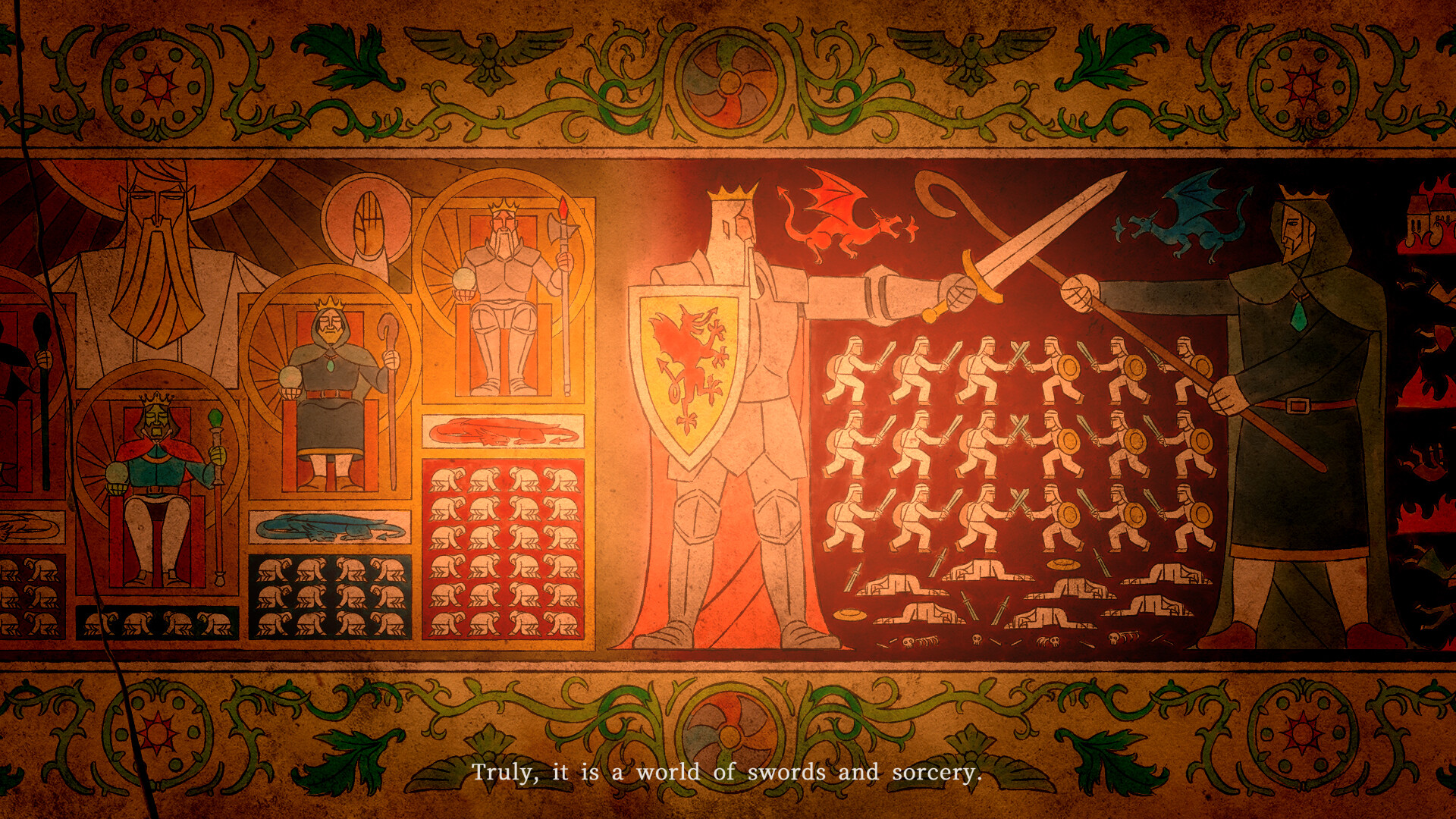
Graphically the game leans into painterly and sketch styles, recalling Dragon’s Crown and Odin Sphere without copying them. The soundtrack runs the gamut from Celtic-tinged lullabies to rousing cues, and Sakimoto’s touch gives the whole thing an emotional backbone. Performance is solid on Windows and the experience translates well to handheld SteamOS devices like the Legion Go or Deck, though controller mapping needs a little fiddling. Accessibility is decent — Japanese voice work is present and subtitles are clear — but some QoL bits (text-skip, more window options, Steam Cloud) are noticeably missing and have been called out by players. Still, the presentation overall is tactile, warm and oddly addictive: I found myself turning the next virtual page just to see what illustration would appear.

Veritas Tales: Witch of the Dark Castle is a small masterpiece of craft and mood — not a blockbuster, but a lovingly made, replayable gamebook that rewards curiosity. Buy it if you appreciate hand-drawn art, Sakimoto’s music, and slow-burn narrative choice; skip or wait if you need deep tactical combat or a fully modern PC interface. For me, it’s an easy recommendation to anyone who keeps a dog-eared gamebook on their shelf.


Pros
- Gorgeously hand-drawn art — every piece feels personal
- Sakimoto soundtrack and tactile sound design elevate atmosphere
- True gamebook vibes with meaningful branching and replay value
- Runs well on handhelds; cozy bedtime/adventure comfort
Cons
- UI/UX and windowing options feel limited for PC users
- Combat is simple and sometimes feels more like a visual novel
- Missing QoL: text-skip, better fullscreen/borderless options, Steam Cloud
Player Opinion
Players repeatedly praise the artwork, music and handcrafted charm — many call it a passion project worth supporting and compare its vibes to Dragon’s Crown or classic Fighting Fantasy books. Several users highlight the onboarding as friendly for newcomers to gamebooks and note the strong replayability when trying different roles (Mage vs Warrior). Criticisms are consistent: some find the UI clunky, the combat basic, and the game occasionally linear or heavy on exposition. Handheld users report it runs well but wish for Steam Cloud and more windowed options. If you love tabletop aesthetics and choice-driven storytelling, players say you’ll likely adore this.