01 / Exact Steam split
Steam recommendations
MixedSteam recommendations: 45,954 positive, 24,406 negative (70,360 total)
Playtime when reviewed
Latest 100 fetched reviews- < 1h
- 1
- 1–5h
- 4
- 5h+
- 95

by ConchShip Games • June 16, 2026
Deep wuxia RPG with village sim and emergent stories
Community evidence
This automated Steam evidence is separate from the BestOfGames review and editorial score.
All languages · all purchase types · Steam's default off-topic filtering
01 / Exact Steam split
Steam recommendations: 45,954 positive, 24,406 negative (70,360 total)
02–03 / Automated text analysis
Tone, topics, and time trend stay hidden until sample size, coverage, freshness, and classifier version are compatible.
A sprawling wuxia RPG that blends village simulation, procedural worlds and intricate martial arts. Expect deep NPC systems, crafting, and a long, sometimes fiddly learning curve — but enormous payoffs for patient players.
I dove into The Scroll of Taiwu: Beyond The Dome hoping for a traditional martial-arts romp — what I found was a sprawling simulation with a heart made of wuxia. It mixes procedural worlds, thousands of NPCs with their own lives, and an astonishing number of martial arts to learn. If you enjoy sandbox-y RPGs that reward curiosity and tolerating a little initial clunkiness, this one’s a keeper. There are moments that feel like Crusader Kings meets classic kung-fu novels, and that odd combo is exactly what makes it special.
The core of Taiwu is equal parts wandering adventurer and reluctant mayor. I spend my days exploring randomly generated maps, taking on side stories, and recruiting NPCs whose agendas keep tripping me up in the best way. Combat plays out as a tactical, position-focused affair where weapon length, counters and targeted strikes matter; it looks deceptively simple until you try to chain skills, manage Qi and read enemy limbs. Outside fights, a surprising amount of the game is management: building workshops, growing industries, and balancing supply chains so your village doesn’t collapse into famine or infighting. There is actual weight to decisions — who you marry, which teacher you study under, and which enemies you turn into allies affect generations. I loved the generational progression; passing your martial arts and seeing heirs inherit traits feels meaningful.
What makes Taiwu sticky is the emergent NPC drama. Thousands of characters live, age, fall ill, quarrel and die, and many have personal storylines that can swing from tragic to absurd. I once recruited a blacksmith who later eloped with my town’s healer — chaos ensued, as you can imagine. The game offers hundreds of crafts and techniques you can learn from NPCs, from pill-brewing to weapon forging, and these systems interact in pleasantly messy ways. There’s even cricket-fighting nostalgia and roguelike randomness in encounters that keep runs fresh: you will never fully master the world because it keeps changing. The sheer breadth — sects, secret techniques, family trees, and trade routes — gives you dozens of small goals that stack into a long-term obsession.
Graphically Taiwu leans functional rather than flashy; think detailed 2D/UI-heavy presentation with evocative portraits and map art that sells the setting more than cinematic visuals. The audio supports the mood with traditional tunes and ambient cues, though it’s not the soundtrack that will make your jaw drop — the worldbuilding does. Performance on Windows was stable during my time with the game, but expect a few janky menus and dense text screens that reward patience. Accessibility-wise, the biggest hurdle historically has been language: early players complained about missing English, though the community and recent updates have largely addressed this. Overall, the presentation is coherent and lovingly weird — it looks like a deep indie project rather than a triple-A polish job, and that suits its personality.
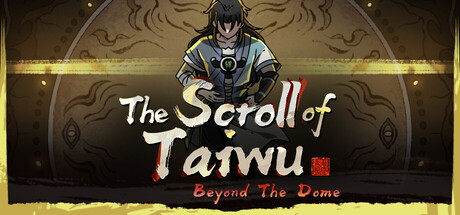
The Scroll of Taiwu: Beyond The Dome is not casual fun you finish in a weekend — it’s a sprawling Wuxia simulator that rewards curiosity, stubbornness and love for emergent systems. If you relish deep RPGs with political NPC drama, generational progression and messy crafting systems, buy it without hesitation. If you need instant pick-up-and-play or demand AAA gloss, temper expectations — there will be a learning curve and some rough edges.
Players are loud about two things: the game's astonishing depth and the language headaches that shadowed its release. Many reviewers praise the living, breathing NPC systems, the countless kung-fu styles, and the satisfying village management — comments repeatedly compare the emergent politics to Crusader Kings-level complexity. On the flip side, several users reported confusion over the English setting (some couldn’t find it at first), and others leaned on community-made translations until the official 1.0 improvements landed. Longtime fans celebrate the 1.0 milestone after years of Early Access, while new players are warned about the learning curve but encouraged by the large payoff for patience.
The Scroll of Taiwu: Beyond The Dome is not casual fun you finish in a weekend — it’s a sprawling Wuxia simulator that rewards curiosity, stubbornness and love for emergent systems. If you relish deep RPGs with political NPC drama, generational progression and messy crafting systems, buy it without hesitation. If you need instant pick-up-and-play or demand AAA gloss, temper expectations — there will be a learning curve and some rough edges. Our score: 8.7/10.
The Scroll of Taiwu : Beyond The Dome earns a score of 8.7 out of 10 from BestOfGames.
The Scroll of Taiwu : Beyond The Dome is available on Windows.
Keep playing
Games like The Scroll of Taiwu : Beyond The Dome
Similar indie titles you might love — curated by shared tags and score.
From the magazine
Eight standout indie picks, compared by play style, commitment, and possible deal-breakers so you can choose the right game rather than the highest number.
June 24, 2026
Eight unusual simulation games compared by pace, complexity, pressure, co-op, and commitment, from calm cleaning and book sorting to machine horror and physics chaos.
June 24, 2026