Best Singleplayer Indie Games: 8 Picks for Different Moods
Eight solo indie games compared by pace, complexity, commitment, and likely deal-breakers, from active incremental systems to a quiet road trip and a wiring-heavy defense roguelike.
The best singleplayer indie game is not simply the one with the highest score. A systems puzzle, a story-driven road trip, and a compact action adventure ask for very different kinds of attention. This guide compares eight games already covered by BestOfGames by pace, complexity, commitment, and the reasons you might skip them. None requires matchmaking, but not all of them are relaxing or easy to learn.
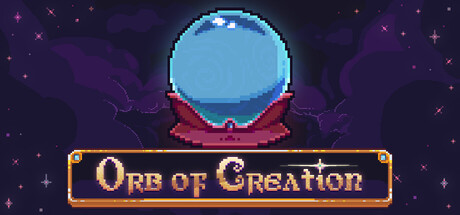
Orb of Creation: active incremental problem-solving
Orb of Creation is a non-idle incremental puzzle built around spells, resources, artifacts, and alchemy. New systems interact with earlier ones, so progress comes from testing combinations and revising a strategy rather than leaving a timer running. The official description also promises little hand-holding. Pick it if dense interfaces and self-directed discovery are part of the appeal. Skip it if you want a guided campaign, clear quest markers, or a passive idle game.
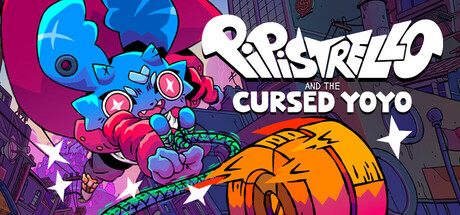
Pipistrello and the Cursed Yoyo: action with inventive traversal
Pipistrello turns yoyo tricks into combat, movement, and puzzle tools across a large city. More than ten tricks, over forty badges, and multiple upgrades support different routes and approaches. An independent review praises the world, puzzles, and secrets while also noting that regular combat can become repetitive. Pick it when you want a focused action adventure with demanding movement and plenty to uncover. Skip it when repeated fights would outweigh the pleasure of exploration.
DAVE THE DIVER: In the Jungle: only for returning players
In the Jungle is additional content, not a standalone starting point. It requires the DAVE THE DIVER base game and moves the action toward Utara Village, a freshwater lake, unfamiliar creatures, new ingredients, and Bancho Grill. That makes it the clearest choice here for someone who already enjoys the original mixture of exploration and restaurant management. Newcomers should start with the base game instead, and existing players who want a completely different structure should choose another entry.
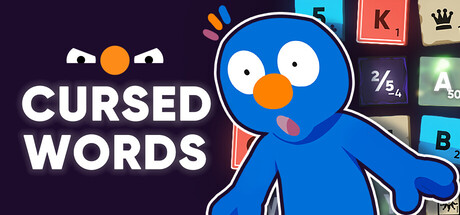
Cursed Words: short runs and rule-breaking combinations
Cursed Words begins with word building, then lets characters, stickers, stamps, and consumable tiles change the rules. A standard run has five stages, each with encounters and a boss, followed by challenges and higher Crown difficulties. Pick it if you enjoy learning synergies, chasing better runs, and turning a familiar puzzle format into something stranger. Skip it if failed runs feel like lost progress or if you want a calm vocabulary game with rules that stay fixed.
Berry Bury Berry is a first-person incremental game about growing berries, upgrading sentient Berry Buddies, earning money, and feeding an ominous hole. Tools and upgrades open more of the garden, while several endings give the repeated loop a mystery to resolve. Pick it if escalating numbers and an absurd premise can carry repetition for you. Skip it if the cycle of growing, collecting, upgrading, and repeating quickly feels like work, even when the setting keeps getting stranger.
Librarian: deliberate sorting at a large scale
Librarian asks you to return 3,072 scattered books to the correct shelves. Completing rows unlocks magical abilities that can identify related volumes or automate parts of the task, while accuracy and speed affect the evaluation. Pick it if organizing is satisfying in itself and a huge visible task sounds calming. Skip it if the number of books feels overwhelming or if you would rather solve varied puzzles than repeat one careful sorting process.
Keep Driving: a road trip built from small decisions
Keep Driving is a management RPG set in a procedurally generated pixel-art world. You choose routes, pick up hitchhikers, work jobs, repair and customize the car, and resolve road problems through a turn-based system. Its multiple endings are designed for trips of roughly one to four hours before starting again on another route. Pick it for atmosphere, resource decisions, and compact stories. Skip it if you want realistic driving controls, continuous action, or one long fixed narrative.
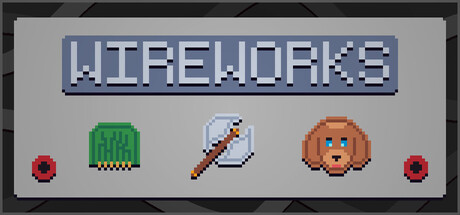
Wireworks combines base defense, roguelike progression, and auto-battling. The important decisions happen on a module board where wires carry signals, modules modify them, and combinations strengthen weapons. The official feature list includes more than 200 items and skills, three areas, ascending difficulties, and an endless mode. Pick it if constructing a machine and watching the plan work is more satisfying than aiming every attack yourself. Skip it if you prefer direct action or dislike rebuilding a setup after a failed run.
Which singleplayer indie game should you choose?
Start with the kind of attention you want to give. Orb of Creation and Wireworks reward patient system tuning. Pipistrello is the movement-heavy choice. Cursed Words and Berry Bury Berry suit repeatable runs, but one is built around words and the other around incremental progress. Librarian turns order into the whole task. Keep Driving is the strongest fit for a compact narrative journey, while In the Jungle is specifically for people who already own and enjoy DAVE THE DIVER. The right pick is the one whose trade-offs sound inviting rather than merely tolerable.
Transparency
Sources and methodology
10 verified external sources
This article was researched using the primary and industry sources linked below. Links open in a new tab.