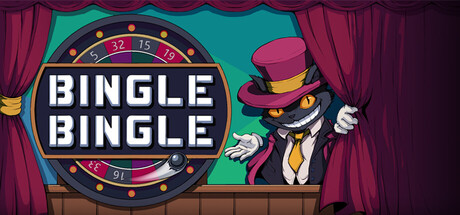
Bingle Bingle Review – Roulette-Building Roguelike with Weird Charm
I spent hours tinkering with wheels, badges and split chips. Bingle Bingle is inventive and oddly addictive, but clunky UI and performance hiccups keep it from being perfect.
I didn’t expect to be building a roulette wheel like it was a deck-builder, but here we are. Bingle Bingle turns roulette into a toolbox of synergies: balls, tokens, pockets and over 200 badges that can make the wheel sing—or implode. It’s the kind of oddball indie that hooks you with a simple premise but keeps you because the combinations actually matter. If you like Balatro or other gamble-flavored indies, this one will feel familiar yet strange in the best way.

Spinning Your Fate
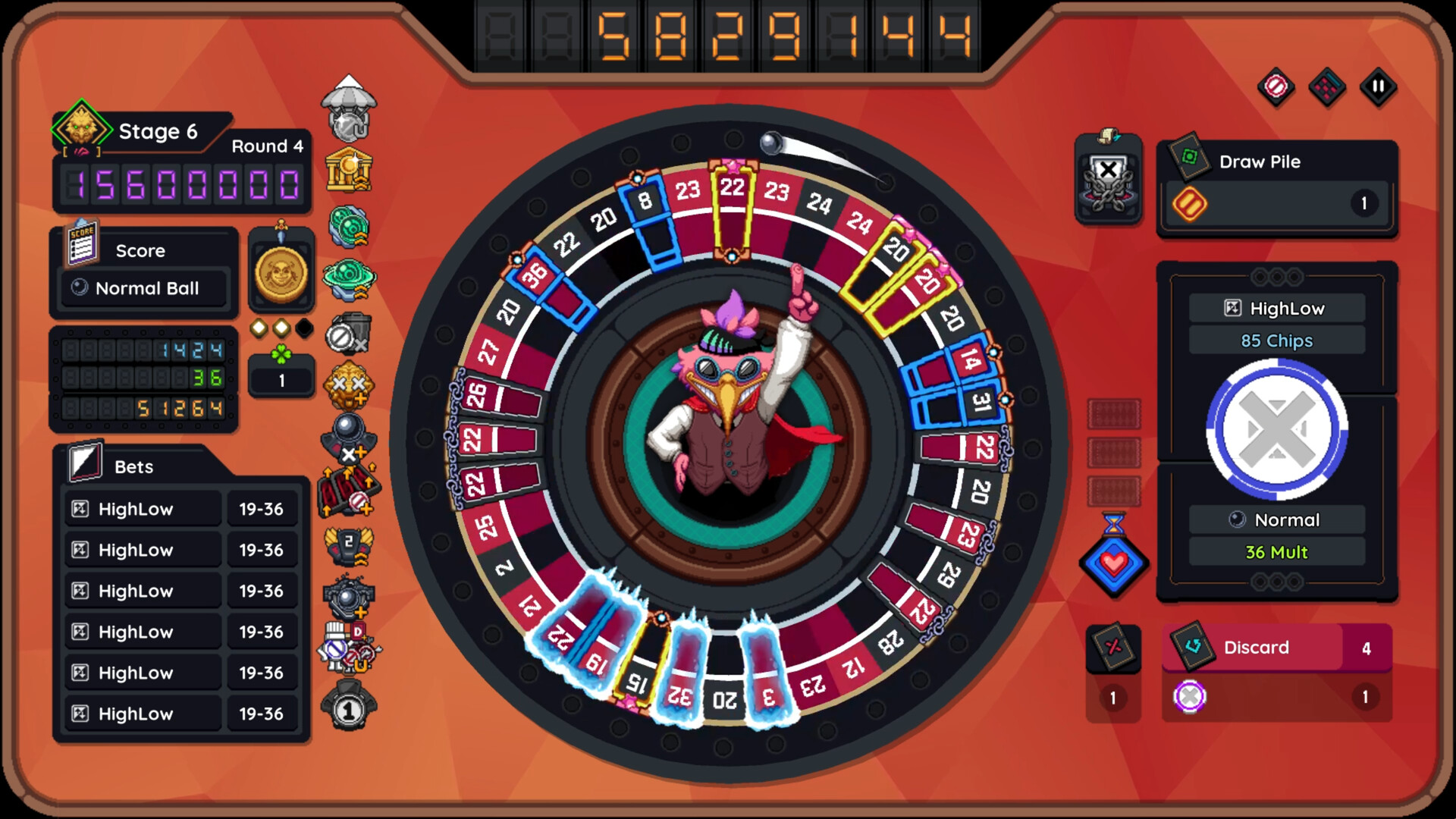
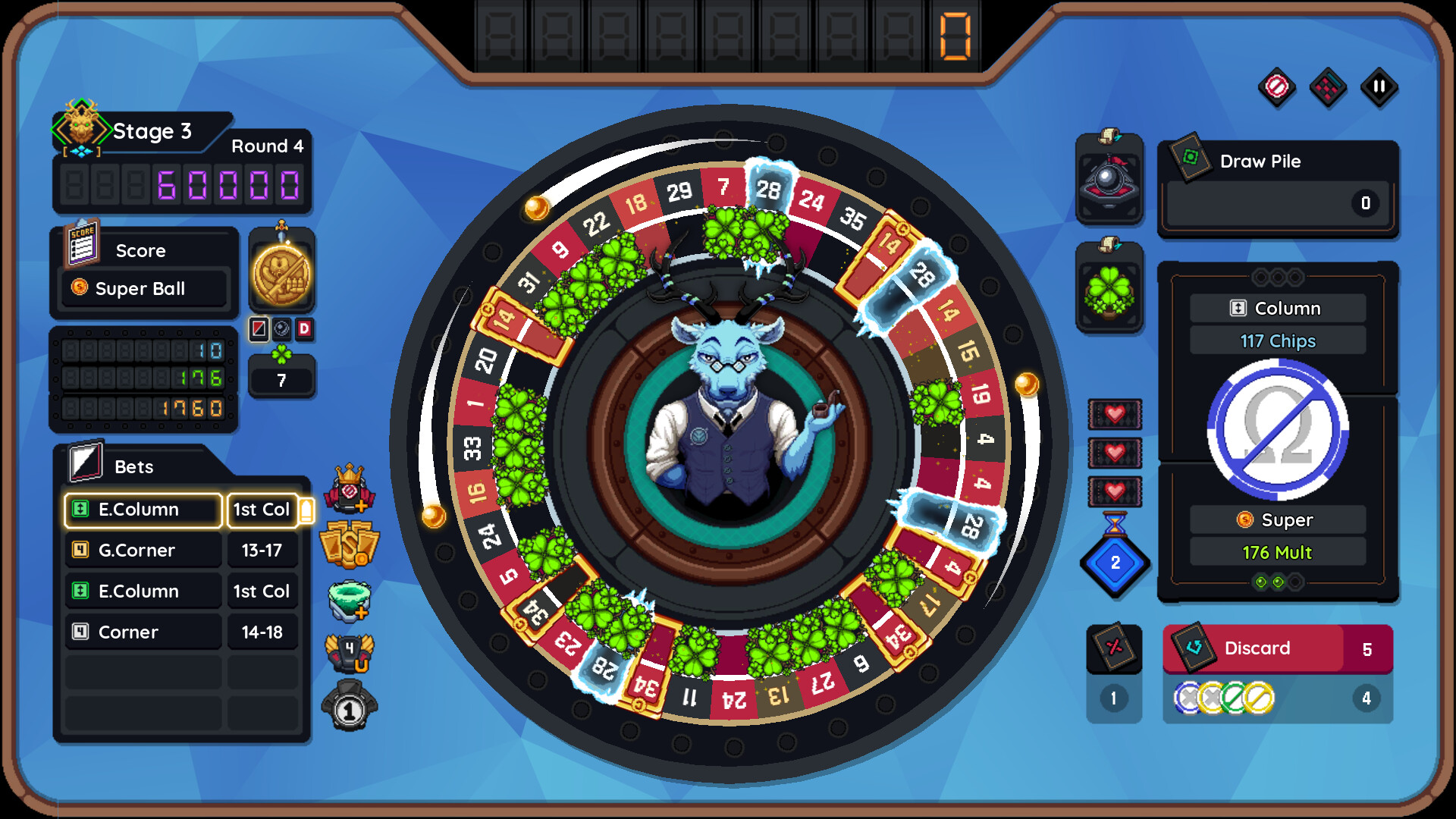
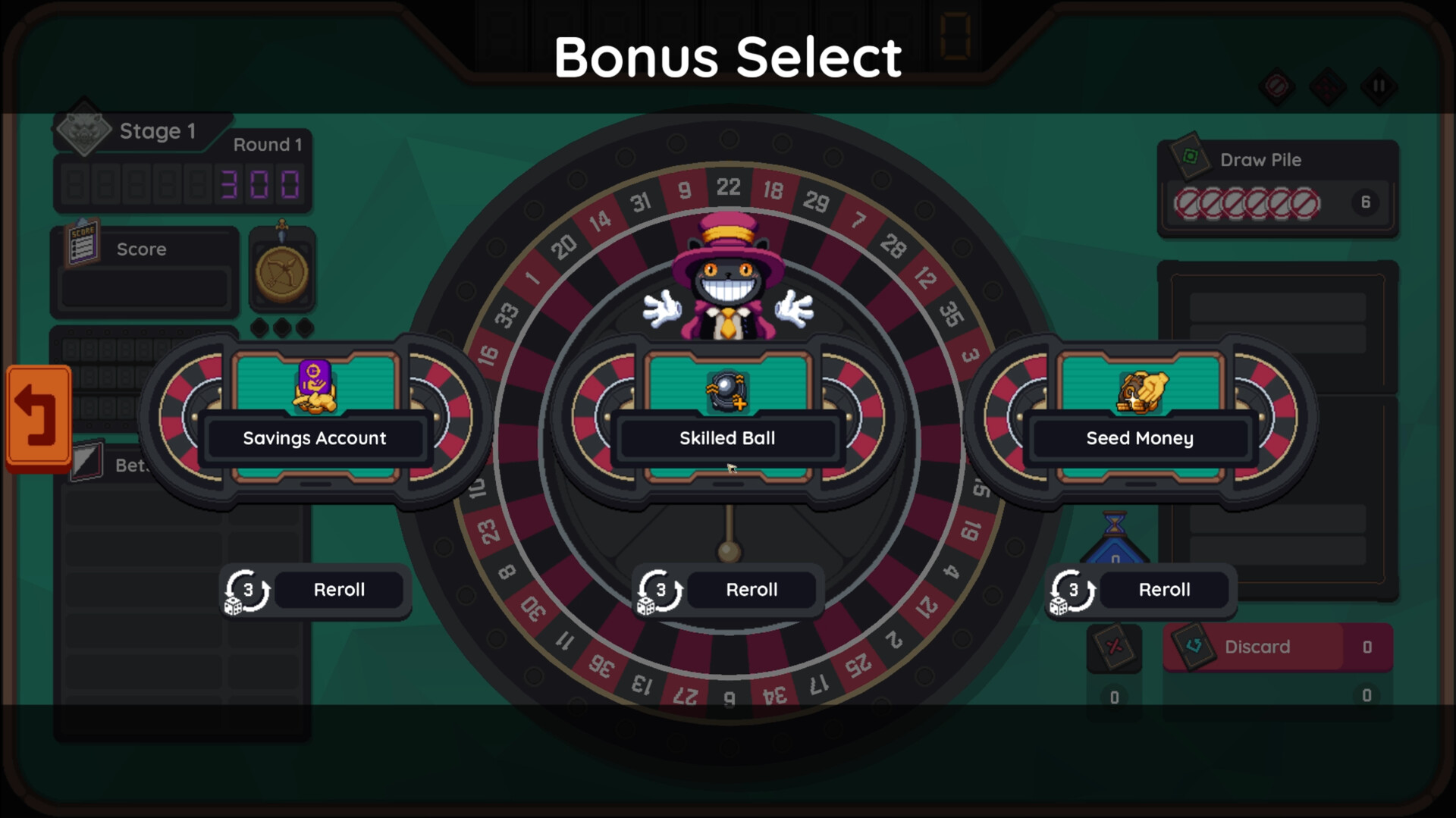
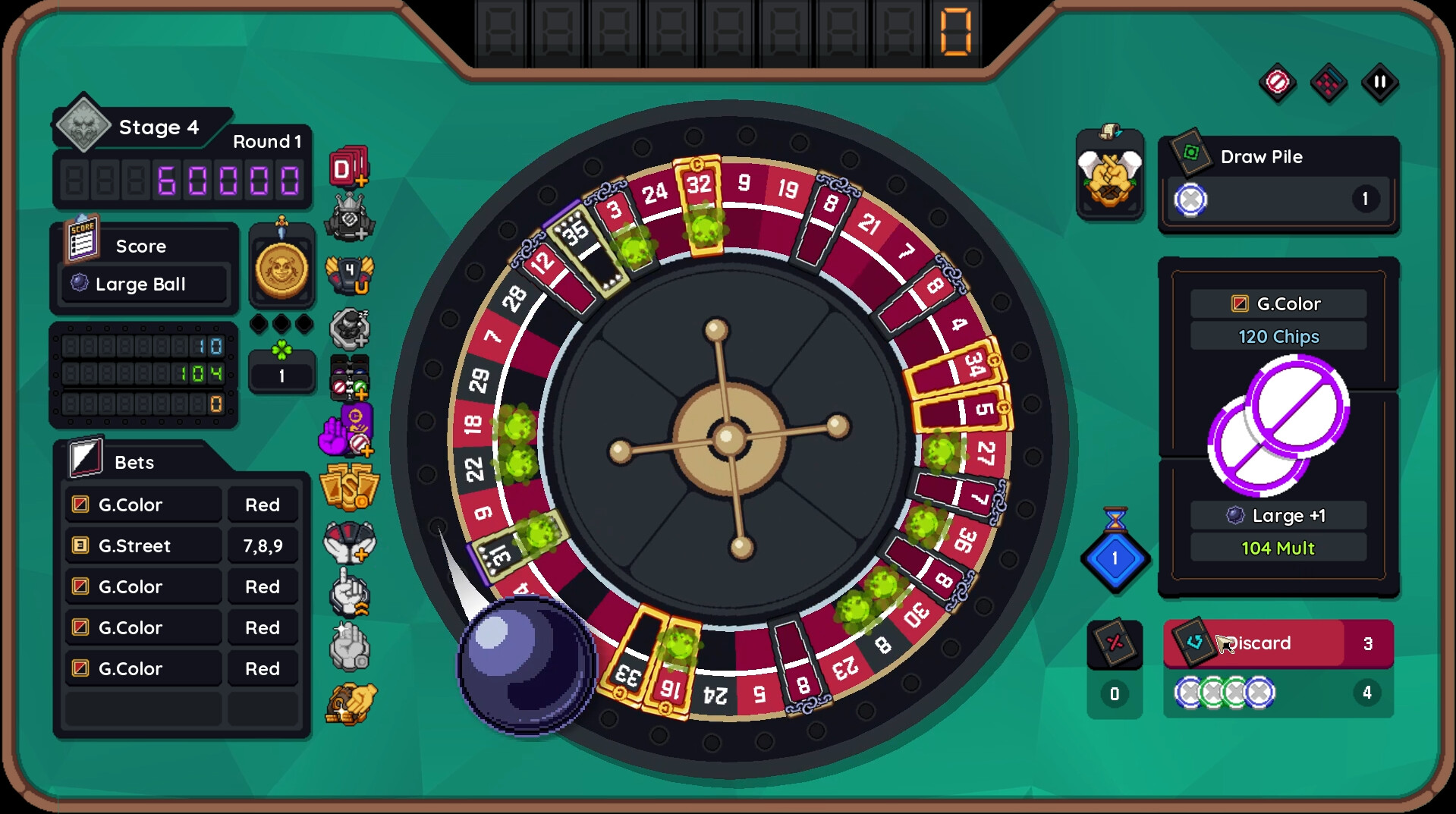
At its core Bingle Bingle asks you to think like an engineer of chaos. You don’t just place bets — you construct the wheel and the betting ecosystem: choose balls, stack tokens (top and bottom), modify pockets, and slap badges onto components to tune outcomes. Rounds are limited by turns and each spin is a micro-problem: do I try to force every ball onto red with multi-ball synergies, or do I gamble on line and column combos that multiply payouts? Five classes with distinct abilities tilt the strategy: one class favors columns, another focuses on multi-ball mayhem, and each run pushes you toward different toys and counterplay. Between rounds you pick rewards, upgrade parts of tokens, and chase quest items that change how the wheel behaves.
When Badges Blow the House Down
What sets Bingle Bingle apart is the literal toolbox of roulette modifiers. Turn every number into the same number, freeze pockets, install portals that teleport balls, or even devour pockets so they vanish mid-spin—these are not just flavour text, they reshape decisions. Over 200 badges and 20 quest rewards let you pursue fragile but explosive synergies: a build that floods the table with mini-balls, or a compact setup that funnels everything into a single giant payout. Boss encounters (animal dealers) add wrinkles: they can freeze pockets, steal tokens, or otherwise punish sloppy builds, so you need contingency plans. The “roulette-building” idea is clever because randomness remains meaningful—you can influence it heavily, but never fully remove the thrill of the spin.
A Table of Looks, Sounds and Tech
Visually the game leans into a playful, animated style: characters, animated chips and cheerful UI elements make the table feel alive. Animations and art are often praised and look crisp on high-end machines, but performance can be spotty—stuttering and lag were reported by multiple players, and some have seen crashes. The soundtrack is catchy but repetitive; it would benefit from more variety or situational tracks to avoid looping fatigue. Accessibility-wise, explanations are a sore point: tooltips are missing or sparse in places, and some upgrade interactions aren’t immediately obvious, which can lead to accidental bad purchases. Still, the core presentation is charming and the interface—once you grok the split chip and token logic—lets you experiment far more than a traditional casino sim.
I found the learning curve uneven: early runs feel exploratory and messy, then suddenly you discover a combo that turns the table into a profit engine. The roguelike loop (start with 300 chips, aim for millions in Endless Mode) and the House Edge mode after your first clear provide long-term goals, while 14 challenge modes and class variety keep runs from feeling identical. If you enjoy tinkering and mathy synergies, the reward loop is strong; if you prefer instant clarity and tight tutorialization, the game will occasionally frustrate you.

Bingle Bingle is a smart, quirky roguelike that turns roulette into something new and fiddly in all the right ways. It rewards curiosity and persistence, but the learning curve, documentation gaps and technical hiccups mean it’s not for everyone—especially if you prefer clean UX and flawless performance. I’d recommend picking it up on sale if you’re curious about experimental deck/roulette hybrids; otherwise wait for patches and clearer tutorials.


Pros
- Inventive roulette-building mechanics with deep synergies
- Lots of variety: 200+ badges, 20 quest rewards, five classes
- Charming art and addictive experimental loop
- Endless Mode and House Edge for long-term goals
Cons
- Clunky UI and vague tooltips make the early game rough
- Performance issues and occasional crashes reported
- Music can become repetitive; balance feels swingy at times
Player Opinion
Players are split but there are clear patterns in the reviews. Many praise the creative loop and compare it favorably to Balatro or Raccoin — they love the buildcraft, mix-and-match badges, and the small, tense gambling moments that turn into satisfying payoffs. Others complain repeatedly about confusing upgrade systems: tokens, tops and bottoms, balls and bets can feel disconnected and poorly explained, leading to wasted resources and frustration. Performance is a recurring gripe — stutters, crashes and Steam Deck concerns turn play sessions sour for some. A vocal group loved the early access experience for hours of play, only to be upset by nerfs and balance changes post-launch. If you enjoy experimenting and don't mind a bit of roughness, many players recommend it; if you want a polished, hand-holded casino sim, reviews warn to wait.