Time Flies Review – A Fly's Bucket List and the Weight of a Few Seconds
Time Flies puts you in the wings of a housefly with a bucket list and only seconds to live. Michael Frei's existential art game is short, sharp, and surprisingly moving.
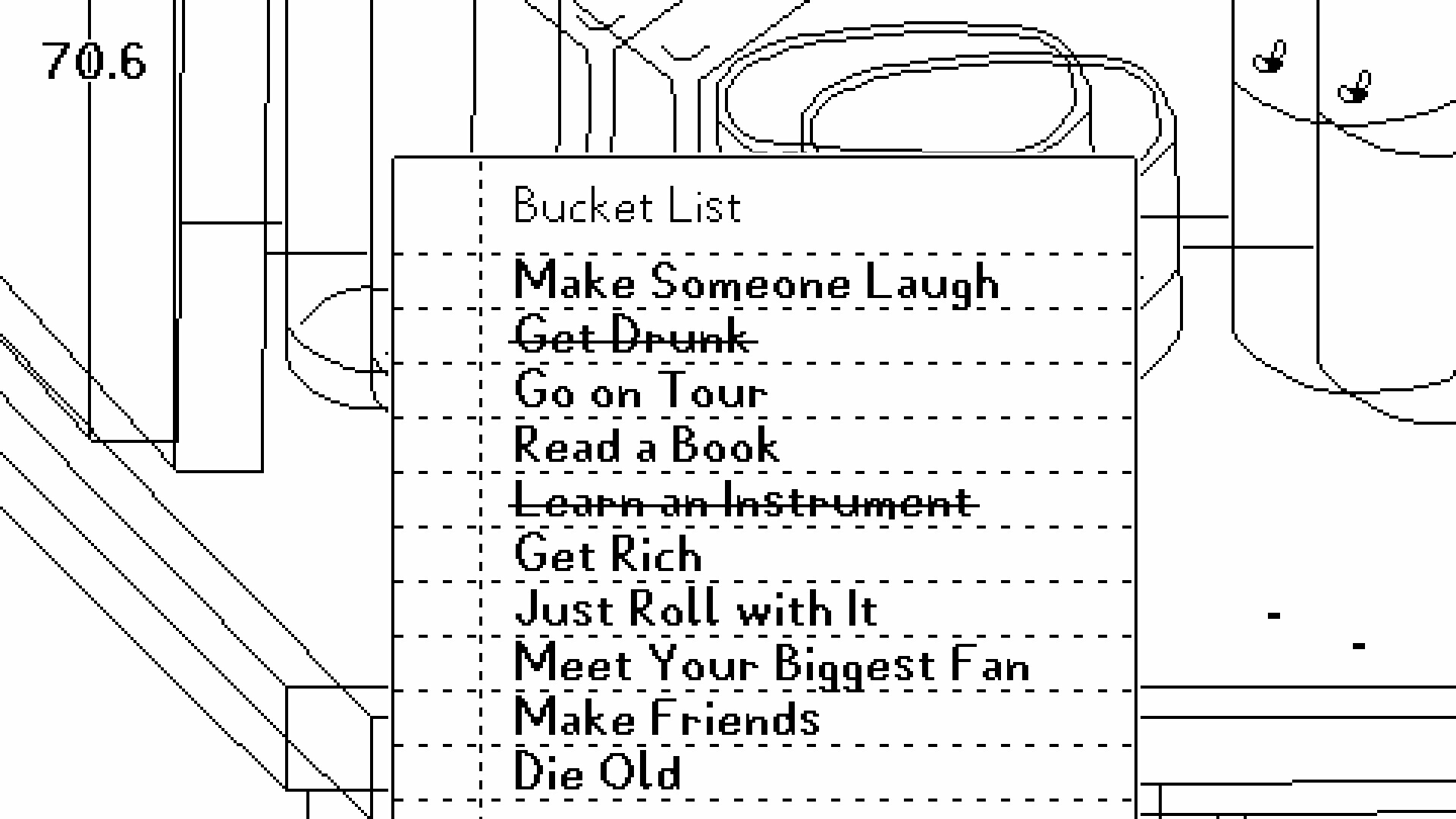
A housefly with a bucket list: learn an instrument, get rich, make someone smile, read a book, get drunk. You have seconds. Literally. That is the entire premise of Time Flies, the latest release from Michael Frei (KIDS, Plug & Play) and published by Panic, the label behind Firewatch and Untitled Goose Game. And somehow, against all reasonable odds, it works.
Frei has always made games that feel less like games and more like interactive thought experiments, and Time Flies is the sharpest version of that instinct yet. The fly you control does not just symbolize fleeting existence as a metaphor plastered over some puzzle mechanics. The time limit is the mechanic. Fly into the kitchen and your seconds drain faster, because kitchens are dangerous for flies. The bedroom is safer, for now. Every room in the level is a micro risk-reward calculation dressed up as a floor plan, and every death by flyswatter, candle flame, or sticky trap lands somewhere between slapstick comedy and genuine gut punch.
At roughly two hours from start to finish, Time Flies is not trying to be a long game. It is trying to be a precise one. Whether that justifies the price tag is a fair debate, but the ambition behind those two hours is hard to dismiss.

Wings, Seconds, and a To-Do List Before You Die
The core loop is deceptively simple: you buzz around a hand-drawn apartment, tick off bucket list items, and die. Then you do it again. Objectives range from the mundane (sit on someone's food) to the quietly poetic (make someone smile), and each one requires navigating rooms that have different danger levels. The kitchen drains your lifespan faster, the living room offers its own hazards, and the whole space becomes a kind of ecological puzzle. You are not just a fly in a level; you are a fly reading the room. That layering of spatial awareness onto the time mechanic is genuinely clever and gives what could have been a one-joke concept real mechanical teeth.
The Bucket List as Existential Mirror
What separates Time Flies from a novelty is the way the bucket list reflects human anxieties back at you with a straight face and a slight smirk. The items are absurd from a fly's perspective and entirely familiar from a human one. Getting rich, learning something, leaving a mark: the joke lands because you recognize it. Several deaths are written with clear comedic intent, flyswatter, spider web, candle, each staged like a tiny slapstick vignette. But the game also knows when to pull back. The abrupt ending, which cuts off mid-action, does not feel like a technical choice. It feels like the point. The buzzer-beater stop is the thesis statement of the whole thing. Some bucket list items are genuinely hard to find without external help, and that friction can break the meditative flow, but the majority of objectives are legible enough to reward patience.
Hand-Drawn Darkness and Sound That Breathes
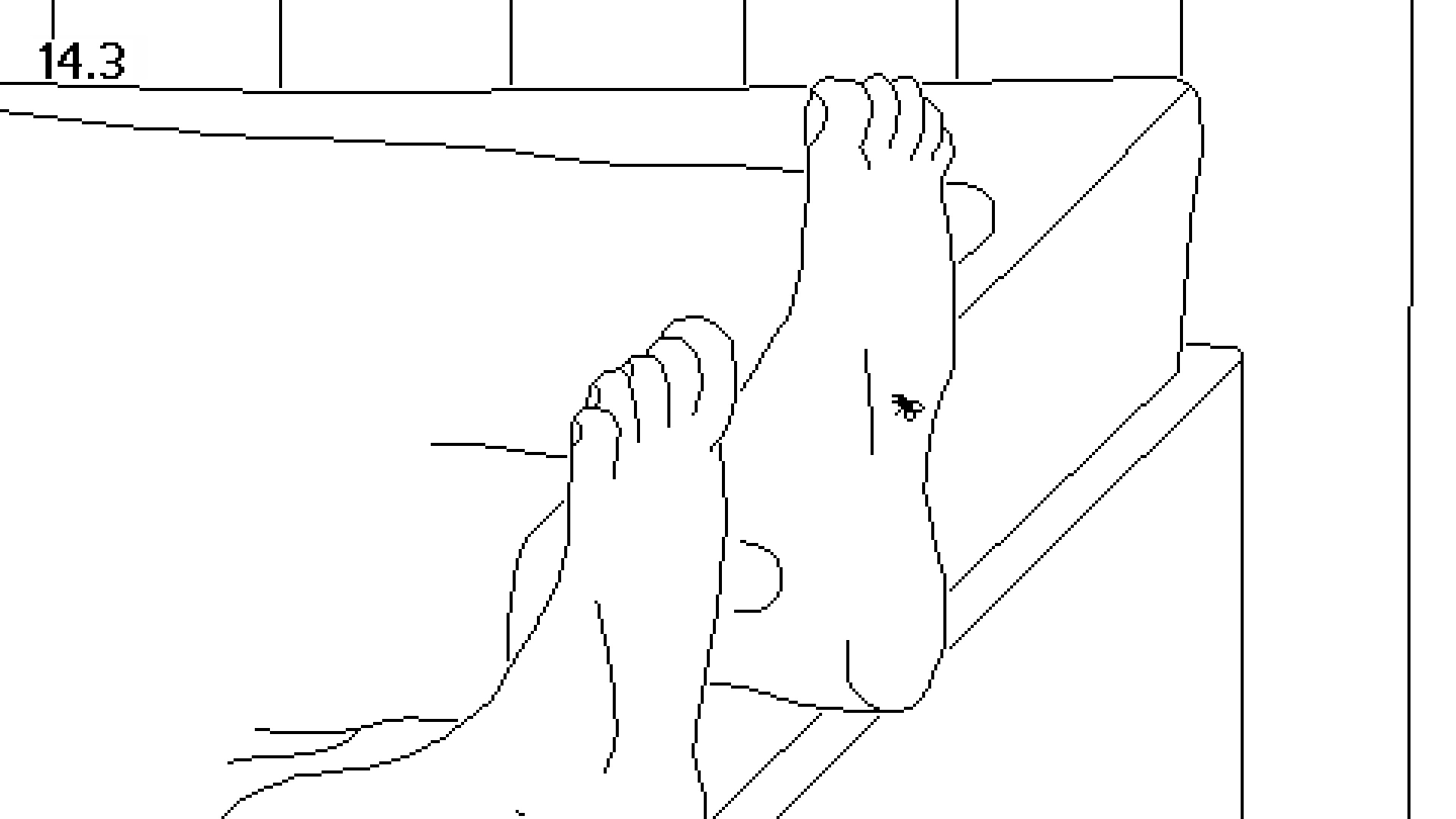
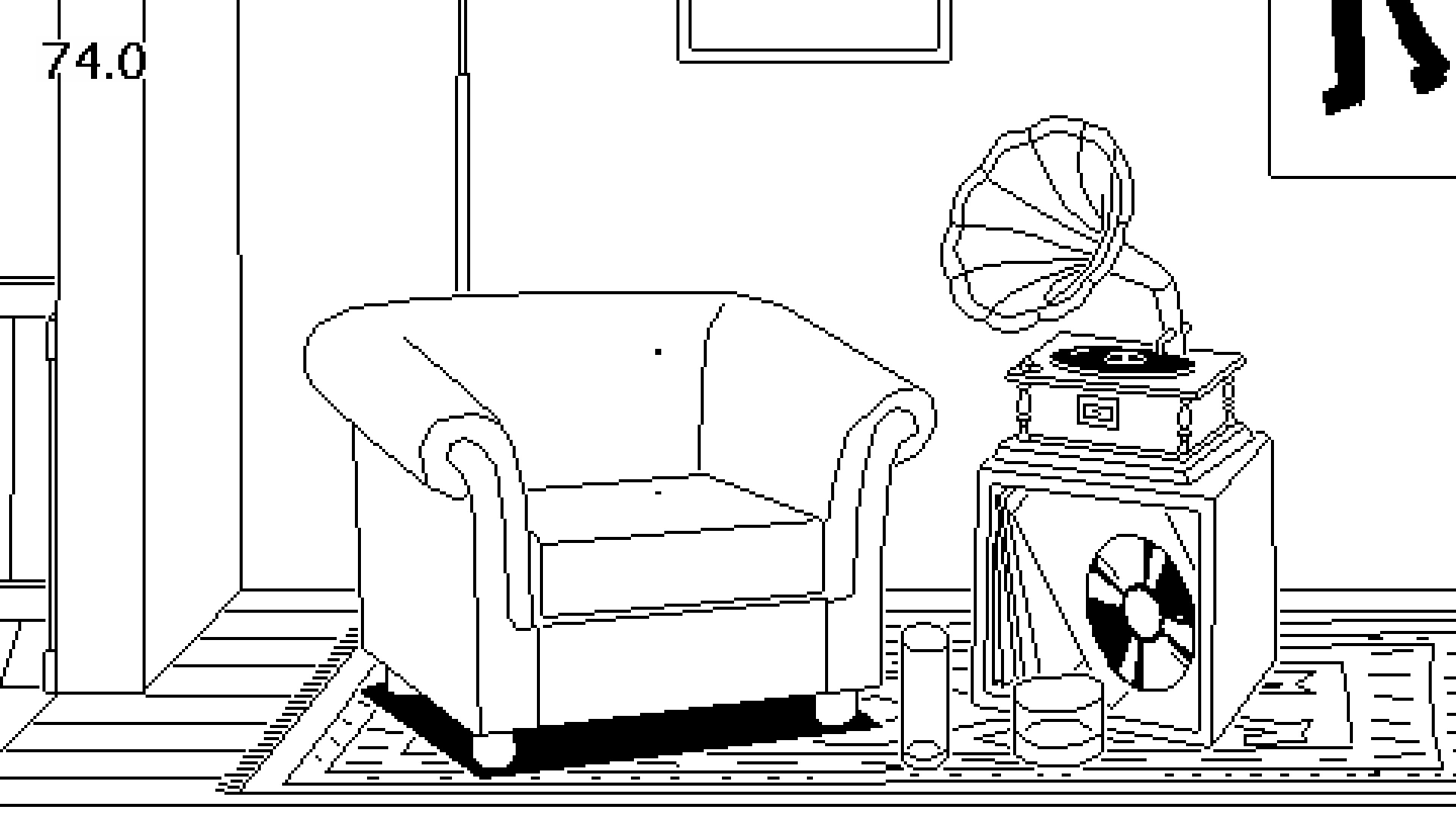
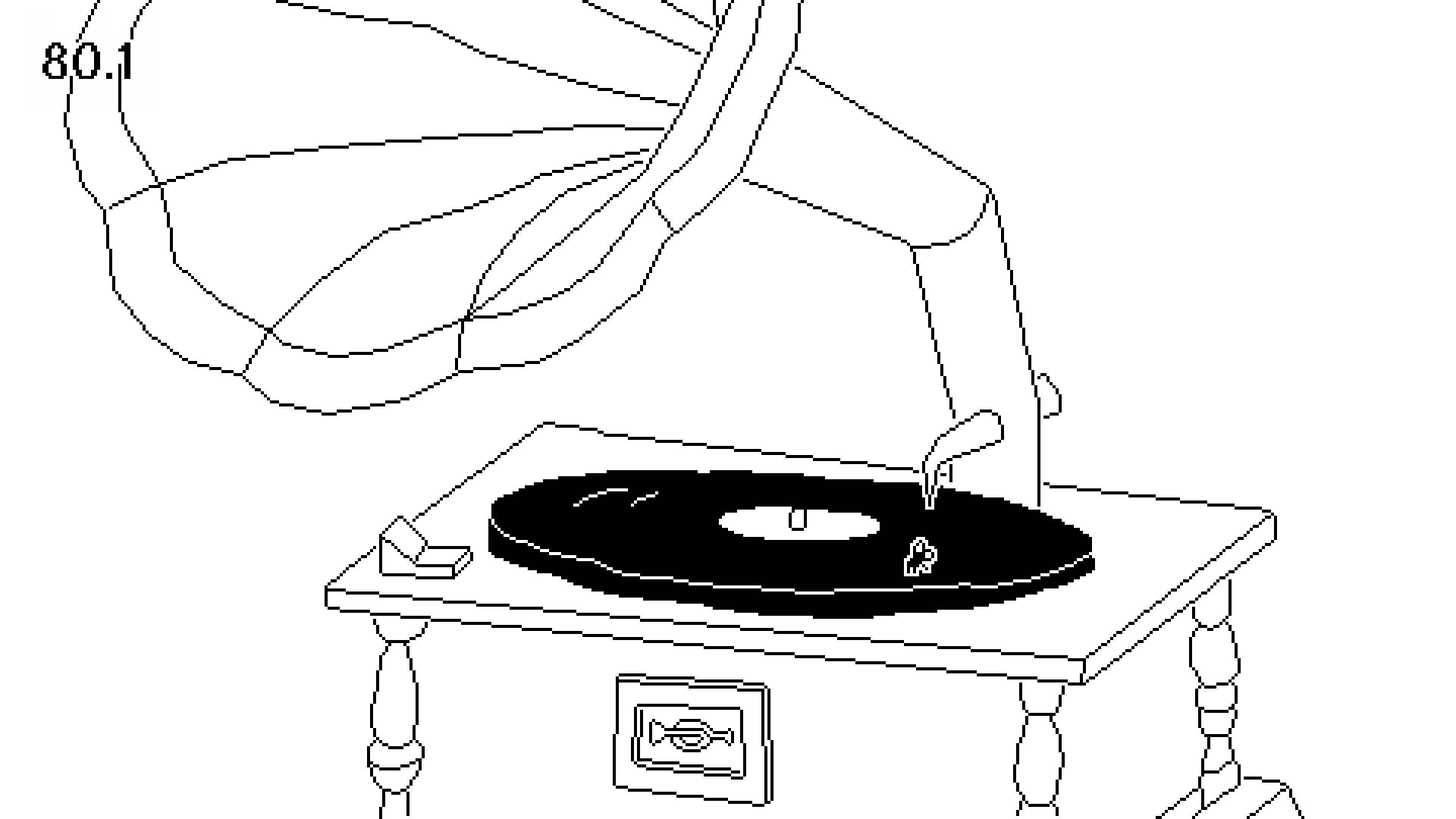
Visually, Time Flies looks like a dense, animated short film that never quite got finished, and that is entirely a compliment. The black-and-white hand-drawn aesthetic has texture and weight, every room feels inhabited, every object slightly alive. It shares a visual DNA with Frei's earlier work but feels more grounded, more domestic. The audio design matches the tone: ambient household noise, the faint drone of the fly itself, music that neither pushes nor retreats. For a game about dying in a kitchen, it is surprisingly quiet. That restraint is doing a lot of work.

Time Flies is a small game with a large idea executed with surgical precision. Michael Frei and Panic have made something that uses the video game format to say something genuinely difficult to say in any other medium: that time runs out faster in some rooms than others, and a bucket list is both a joke and a confession. It is not a game for everyone. Players who measure value in hours will balk at the price, and anyone expecting a traditional adventure will find themselves confused and possibly dead by flyswatter within the first minute. But for players open to the art game lineage of Florence, What Remains of Edith Finch, or Frei's own earlier work, this is a confident, emotionally precise, and formally inventive two hours. Recommended without hesitation for the right audience.


Pros
- The mortality mechanic is the gameplay: shrinking lifespan per room zone is a genuinely original design idea.
- Dense, hand-drawn black-and-white art direction with the feel of an animated short film, visually distinctive and cohesive.
- Existential humor that lands emotionally: the bucket list makes players reflect on their own use of time without preaching.
- Compact two-hour runtime is a feature, not a flaw, perfectly aligned with the theme of fleeting life.
Cons
- At 14.99 USD for roughly two hours, the price-to-playtime ratio will feel steep to players who measure value in hours.
- Some bucket list objectives are too obscure to find without an external guide, which disrupts the meditative pace.
- Practically no replay value once the main list is complete, the art game format intentionally burns bright and ends.
Player Opinion
Steam players are overwhelmingly enthusiastic, with 96% positive reviews from an admittedly small but vocal community. The phrase 'genius idea' appears repeatedly, alongside comments like 'this genuinely made me rethink my own life,' which is not something you expect to read about a game where you play as a housefly. The hand-drawn aesthetic and what one reviewer called 'delightfully accurate fly physics' earn consistent praise for their charm and absurdist tone. The main point of friction in reviews is navigating some of the more obscure objectives: 'Novel concept but I couldn't play this without a guide' is a recurring complaint, and it is a fair one. The connection to Frei's previous work, KIDS and Plug & Play, is frequently cited as a quality signal by players who already trust the creator. Notably, many players pre-empt the length criticism themselves, arguing that the short runtime 'dovetails nicely with the themes' rather than feeling like a missing hour. A handful of reviewers admit the tone and pace are not for everyone, but frame it as a recommendation caveat rather than a flaw.