Island Life, Volcano Worship, and the Joy of Building
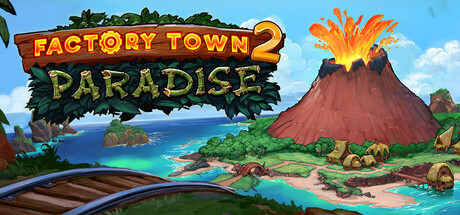
Gameplay starts simply: place a house, plant a farm, make a mill, and watch as villagers arrive and begin to fulfill roles. Unlike many factory games, the population itself is the engine — people walk, buy, and consume goods, and their happiness determines growth. You’ll route goods with belts and trains, but you’ll also catapult packages for last-mile delivery or zip people across cliffs with ziplines. Early automation can be surprisingly charming: waterwheels and windmills provide drive power without needing workers in the same sense as later automation, and they slot neatly into evolving logistics chains. The volcano isn’t just scenery; feeding it items unlocks recipes, tech, and even new islands, which keeps the progression loop playful and rewarding. There’s a day/night cycle and volumetric water physics that make irrigation and dam-building meaningful rather than cosmetic. I found myself pausing to rework road layouts to shave seconds off villagers’ routes — small QoL gains felt satisfying.
Little Rules That Make a Big Difference
What sets Factory Town 2 apart is how the town and factory systems are interwoven. Villagers act as agents who decide where to work, what to buy, and when to rest, so you can’t simply throw perfect belt math at every problem. Markets, clothing, and luxuries affect worker productivity, and choosing which goods to prioritize becomes a delightful puzzle. The controllable avatar is a welcome addition: I ran errands, repaired conveyors, and enjoyed that tactile “I did this” feeling when a rebuilt bridge solved a bottleneck. New toys like catapults for goods and ziplines for people feel whimsical but functional, and they encourage creative problem solving rather than rigid spreadsheets. The tech tree and volcano rewards encourage variety, as feeding specific items opens niche recipes and upgrades. There’s no harsh failure state, which keeps experimentation low-stakes and very addictive: rebuild, re-optimize, repeat.
A Scenic Toolbox: Art, Sound and Performance
Visually FT2 keeps the cheerful, slightly chunky aesthetic of the series but with nicer lighting and a gorgeous skybox that makes long play sessions feel cozy. The soundtrack continues the series’ charm — calming, loop-friendly tracks that I genuinely left playing while doing other tasks. Performance is solid on modern machines and surprisingly forgiving on older Macs and lower-end PCs; Erik’s options let you dial down foliage or effects if needed. Pathfinding and UI could use more polish — villagers sometimes take amusingly inefficient routes — but the game is actively being patched in Early Access and the dev listens to feedback. Accessibility options are present but could expand; however, toggles for day/night speed and camera modes already help players tailor the experience.
Overall, the core loop of build, automate, care and upgrade is familiar to factory fans yet refreshed by town simulation elements and the volcano’s whimsical influence. The balance between cozy town management and satisfying optimization makes FT2 a rare sequel that expands depth without losing personality.