Shroom and Gloom Early Access Review: Two decks, one hungry dungeon
A source-based assessment of Shroom and Gloom's inventive double-deck structure, striking art and unfinished Early Access scope.
Shroom and Gloom gives dungeon exploration its own deck. Keys, shovels and lighters matter between battles; weapons and food belong to a separate combat hand. That split is the strongest reason to consider Team Lazerbeam's first-person deckbuilder, which entered Steam Early Access on September 10, 2026. It changes how resources are spent before a fight even begins.
This is an AI-written assessment of the Early Access build, based on the official page and four independent reports. BestOfGames has not playtested the game.
The exploration deck is the defining idea. Keys open doors and chests, shovels dig up possible rewards, and lighters push back the darkness. Rest sites are not harmless menu screens: unresolved threats can turn recovery into damage, so spending a useful card now must be weighed against carrying it deeper into the cave. GameSpew describes a clear risk-and-reward decision between searching for more help and pressing ahead before the dungeon takes its toll. Rogueliker compares the intuitive interactions to a compact point-and-click adventure, which captures why this half feels more substantial than a map with icons.
Combat shifts to a separate set of weapons, food, sauces and status effects. Conventional blocking is scarce. Healing instead comes largely from turning defeated fungi into food, seasoning or roasting them, and sometimes combining ingredients into stronger meals or soups. TheSixthAxis identifies that recovery model as a meaningful break from familiar defensive deckbuilding. GamingOnLinux also points to the strange card interactions as a source of discovery. Cards can be improved individually, so an ordinary starting weapon may remain relevant after repeated upgrades rather than becoming automatic clutter. Together, these systems create room for long combo chains without making exploration cards compete with attacks for space in one deck.
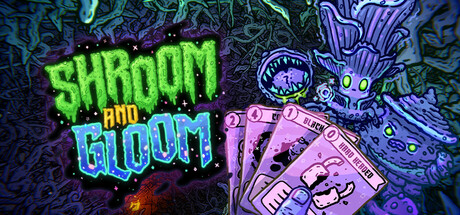
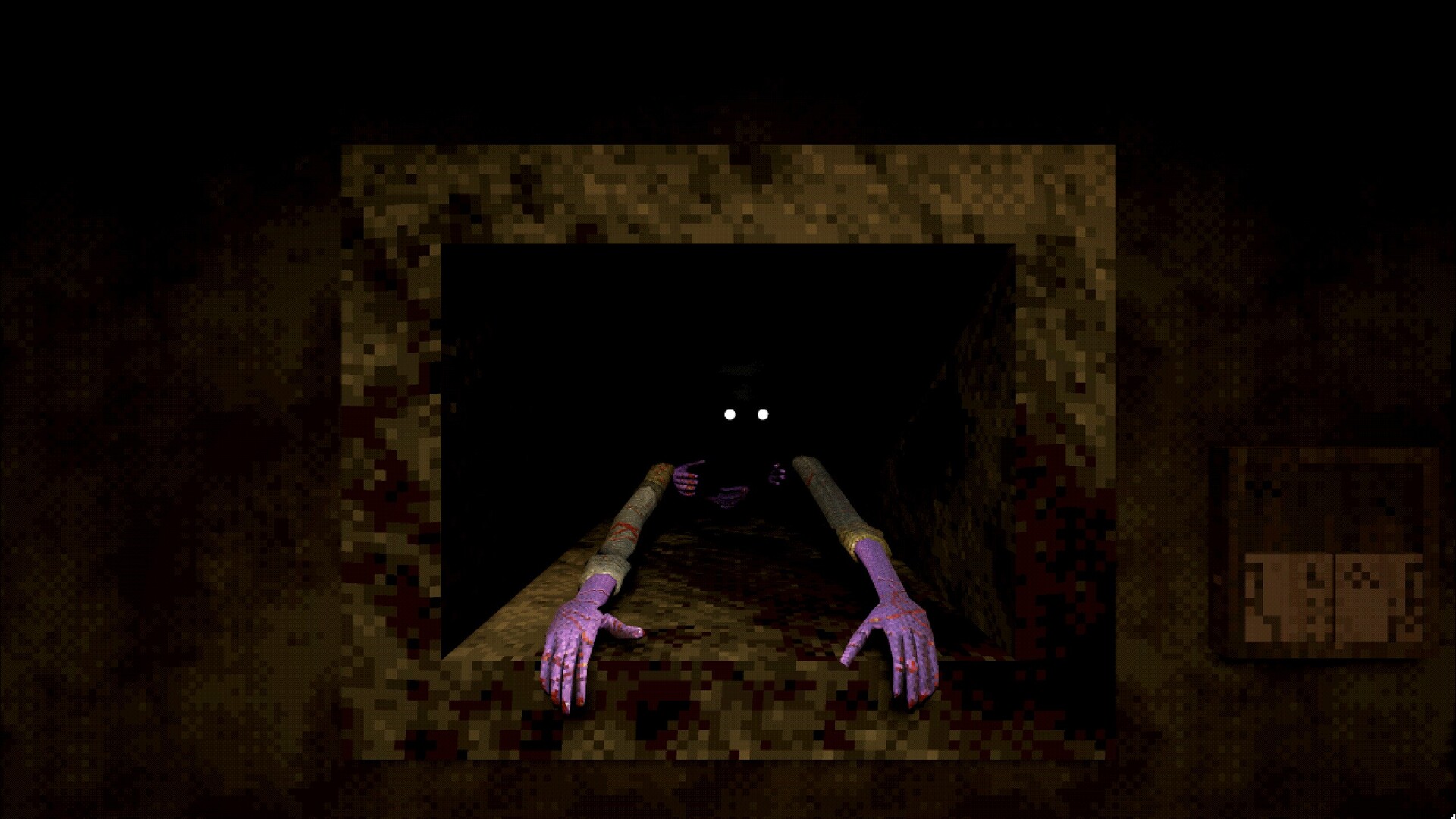
The presentation supports the mechanical split. Black line work, limited color and layered cutout-like figures move through three-dimensional tunnels. All four independent sources praise that visual identity, while Rogueliker notes that the parallax-heavy presentation may not suit every pair of eyes. That is a personal caveat rather than evidence of a general accessibility problem, but a demo is available for anyone sensitive to the effect.
The current build has two pathways with different card pools and several playable characters. The store page lists another pathway, more character classes, quests and challenges for development. Team Lazerbeam estimates 12 to 24 months in Early Access. TheSixthAxis also reports minimal permanent power progression beyond unlocks, meaning failed runs primarily build player knowledge rather than steadily increasing starting health or damage.
The documented version already has a clear identity and a loop that joins exploration, resource pressure and combat instead of merely alternating between them. The art earns unusual agreement across the independent coverage, while cooking enemies and growing familiar cards give the combat a voice of its own. Those strengths support an 8.3 source-synthesis score for the current Early Access build.
The reservation is structural, not cosmetic. A pathway and other content remain on the roadmap, and players who rely on permanent stat growth to soften later attempts may find the progression severe. Buy for the two-deck design that exists now, not for the estimated 12 to 24 months of additions. On the evidence available, Shroom and Gloom is already a strong choice for deckbuilding players who enjoy learning demanding systems. Anyone seeking a finished content set or generous baseline upgrades should wait for development to move further along.
Pros
- Separate combat and exploration decks turn both battles and travel into card-based decisions.
- Hand-drawn cutout-like art layered through 3D spaces gives the dungeon a distinctive visual identity.
- Cooking enemies for healing and upgrading individual cards create unusual combo-building options.
- Two different pathways, multiple characters and sizable card pools provide meaningful variety in the current build.
Cons
- Permanent power progression is minimal, so improvement depends more on learning systems than raising baseline strength.
- The Early Access version is unfinished, with another pathway, more classes or characters, quests and challenges still planned.