Master Healer Kale with useless party — Review: A Tiny Healer Epic
I played as Kale, the overworked healer, and kept a sleepy tank and chaotic party alive. A charming, short incremental-RPG with a massive skill tree, fun decisions — and a few bugs that can sting.
I didn’t expect to fall for a game called Master Healer Kale with useless party, but here we are. It flips the usual damage-first loop on its head by forcing you to be useful in a different way: keeping everyone breathing. If you like incremental progression, goofy party members, and meaningful choices about mana and cooldowns, this tiny RPG punches well above its weight. It’s cozy, sometimes infuriating, and often clever — like a healer’s day off that slowly becomes heroic.

Keeping the Party Alive is the Real Game
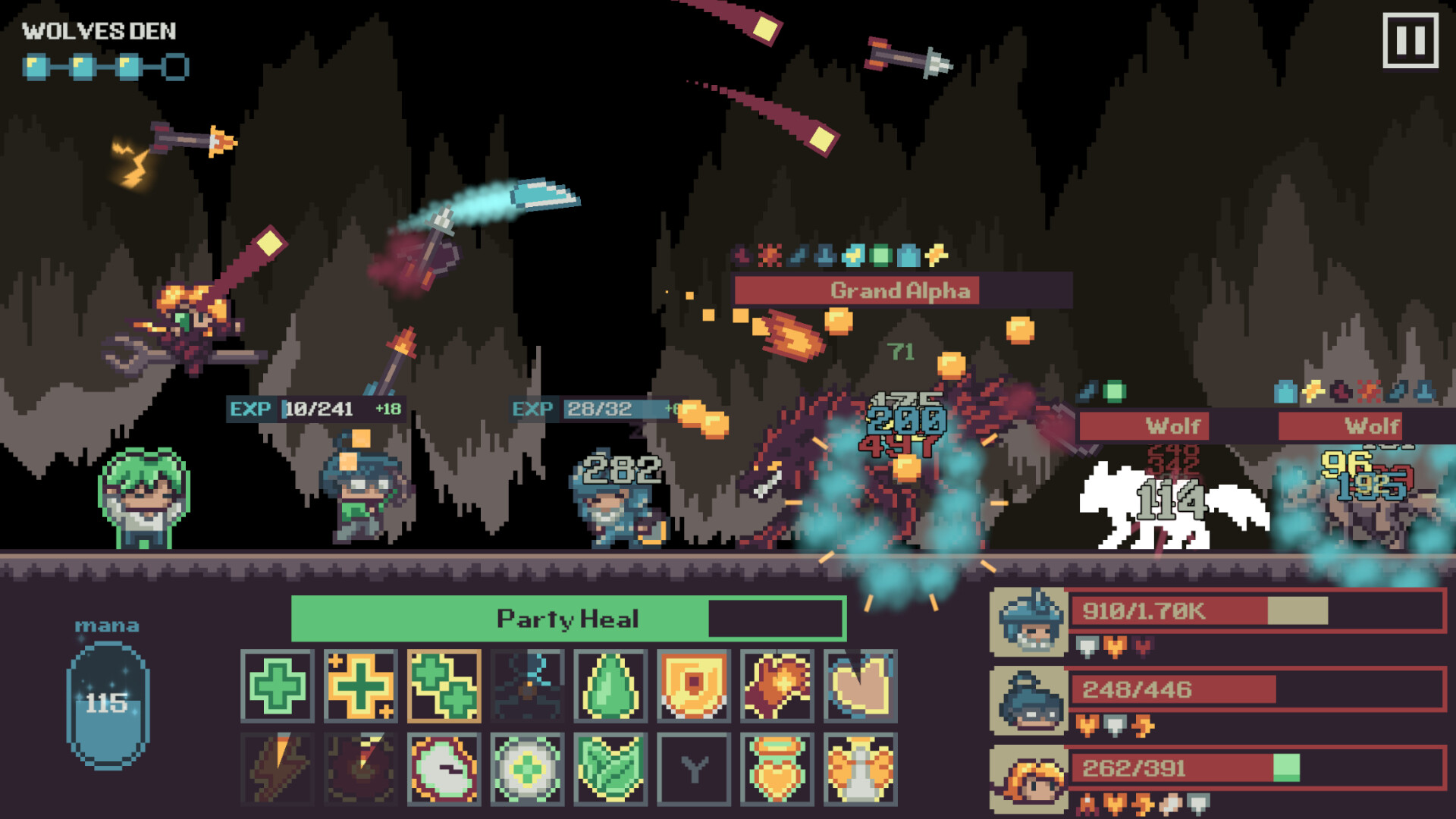
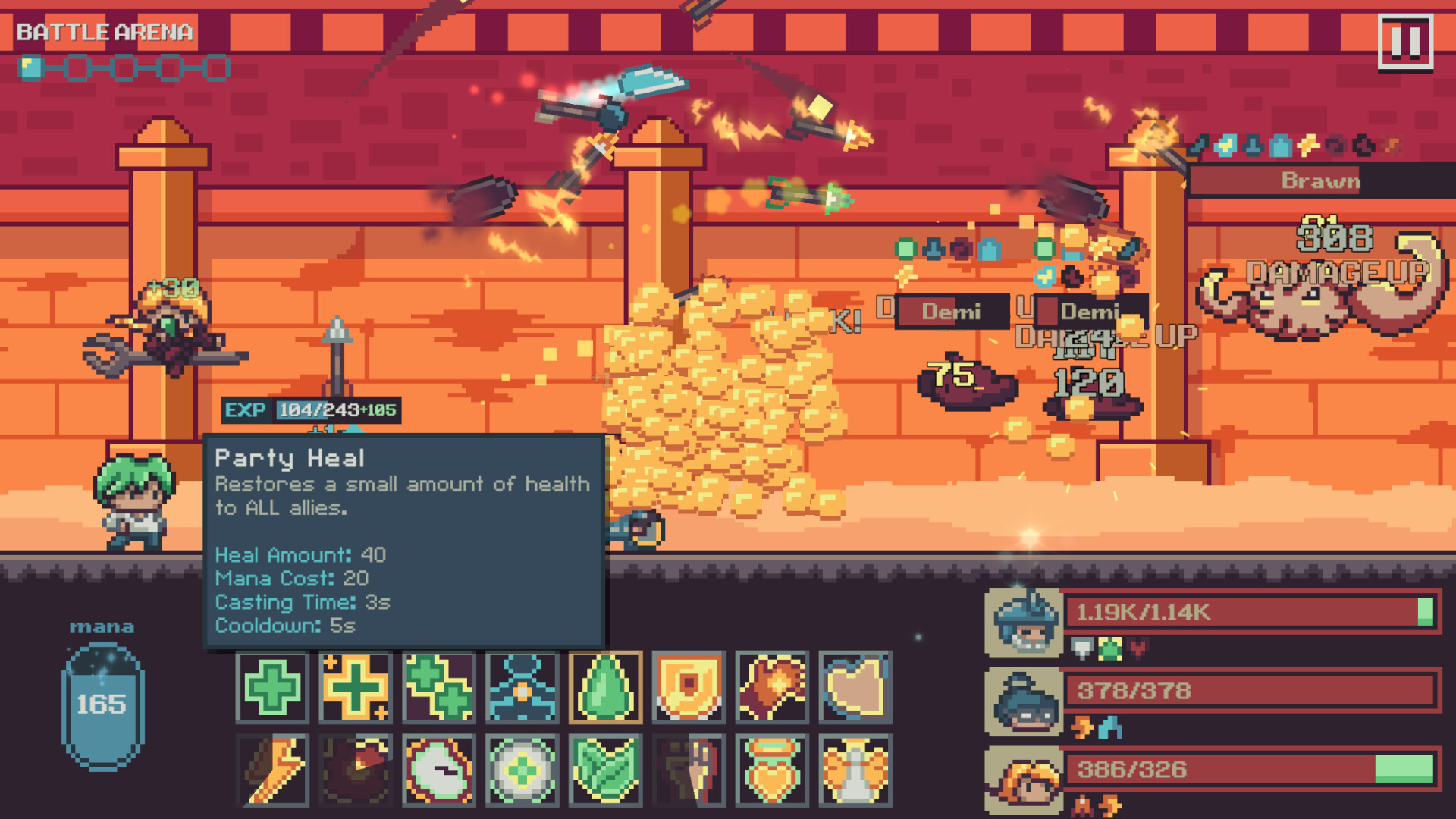
Gameplay revolves around Kale’s job: heal, buff, and occasionally clutch-save a run. You don’t control the DPS directly; instead you read the battlefield, decide whether to cast single-target heals, AoE pulses, shields or buffs, and manage mana and cooldowns. Combat is a rhythm of triage decisions — who gets the precious mana, when to spend on a shield versus a clutch full-heal, and when to gamble on offensive upgrades that indirectly make your life easier. Encounters feel fast-paced even though you’re not button-mashing for damage: timing and selection of 18 active spells matter. The party members have defined roles (a perpetually sleepy tank, a newbie archer, and a genius-but-mean caster), and watching them misplay while you try to keep them alive is oddly satisfying.
The Charm (and Brutal Fun) of the Skill Tree
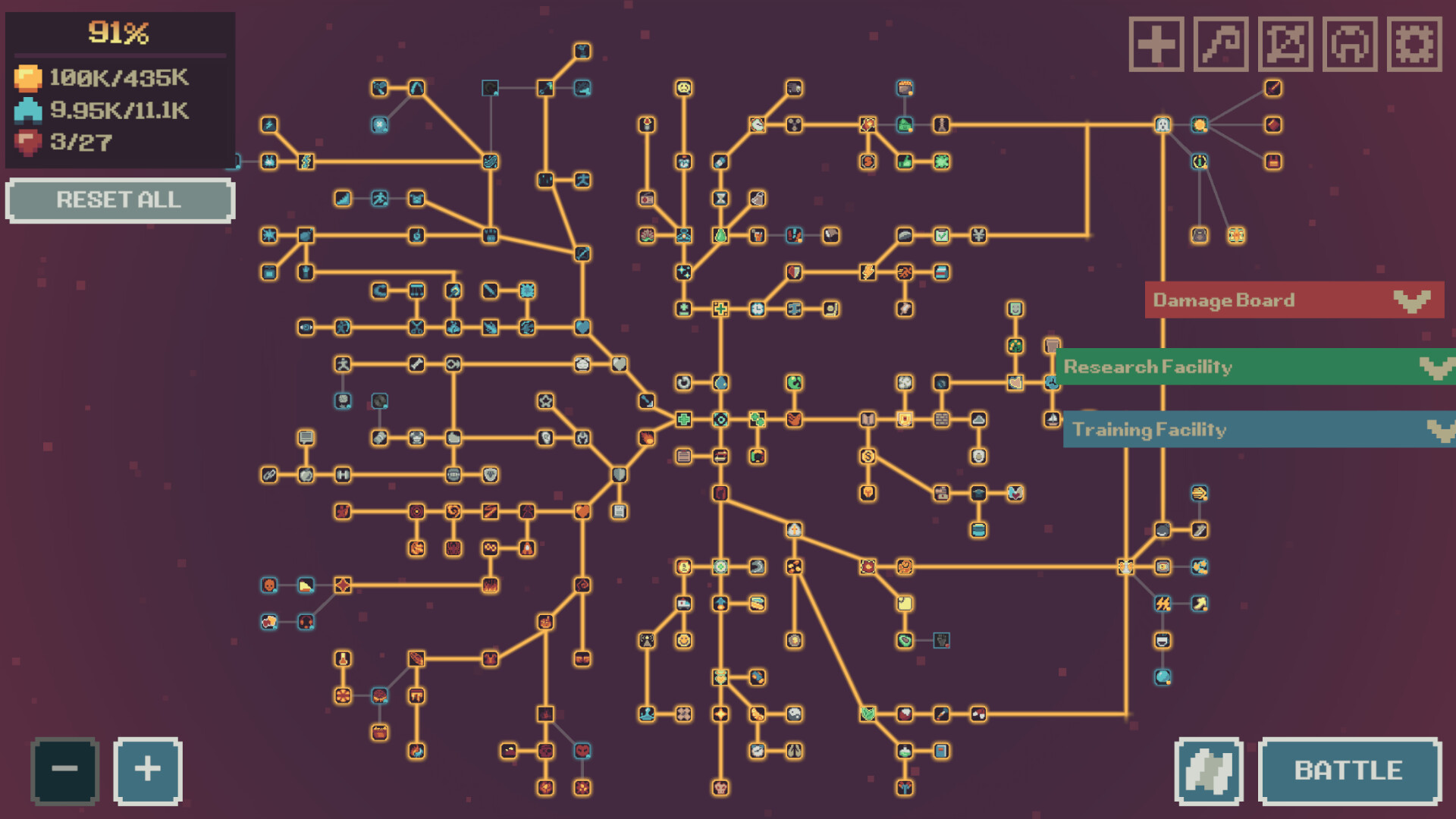
The massive skill tree is the star: 200+ upgrades give genuine build variety and meaningful choices. You can invest into Kale’s own healing potency, mana economy, cast speed, or divert points into party stats like crit chance and max HP. That creates satisfying trade-offs: do you make Kale an unstoppable healer, or a support architect who buffs the team to carry the weight? I loved experimenting — shield-heavy builds feel like playing a pacifist tank, while AOE-heal setups make you surf through waves faster. Nodes aren’t just flat numbers; some unlock quirky interactions and playstyles. A few players mentioned the tree feeling underpowered in spots, which I agreed with on occasion, but it still keeps the loop interesting and encourages replaying dungeons to test new synergies.
Looks, Sound and Smoothness — Small But Polished
Visually the game leans into a cute, slightly chunky pixel/illustrative style that sells character and readability; it’s charming without pretending to be AAA. Sound design and little quips add personality — the party bickers, the healer sighs, and the music fits the mood: upbeat when you’re cruising, tense when a boss threatens to one-shot someone. Performance on Windows and macOS (my test platforms) was solid; the UI is readable and the accessibility to reallocate points without penalty is a very player-friendly touch. That said, some reports and a few of my sessions hit a nasty bug where spells stop resolving (cast bars freeze and skills stop happening), which can brick runs and is understandably infuriating. The developer appears responsive in forums, but that issue is the biggest black mark on an otherwise tidy presentation.

Master Healer Kale with useless party is a delightful little strategy-RPG that makes healing feel active and fun. It’s ideal for players who enjoy incremental progression, experimentation with builds, and short replayable runs — and who can tolerate the occasional bug. I recommend it at its price, but keep an eye on patches if you hit that spell-freeze issue.


Pros
- Fresh healer-focused gameplay with meaningful decisions
- Huge skill tree with many viable builds
- Charming presentation and tight, replayable runs
- Good value for a short, polished indie experience
Cons
- Occasional game‑breaking bug where spells stop resolving
- Can feel short for completionists
- Some skill-tree nodes feel underpowered or uneven
Player Opinion
Players praise the progression and the clever way healing is turned into an active, strategic loop instead of a passive buff. Multiple reviews call the skill tree addictive and highlight the variety of builds — whether you prefer shields, AoE heals, or party-stat investments. Several users loved the charm, short run time and replayability (NG+ and nightmare modes extend value). On the flip side, complaints cluster around the bug where spells can stop functioning mid-run and a handful of achievement/save quirks tied to the demo-to-full transition. Others noted that some dungeons spike in difficulty while some party members feel much stronger than others. If you like thoughtful incremental design and don’t mind replaying short runs, the community consensus is positive — but watch the bug reports before you dive into a marathon play session.